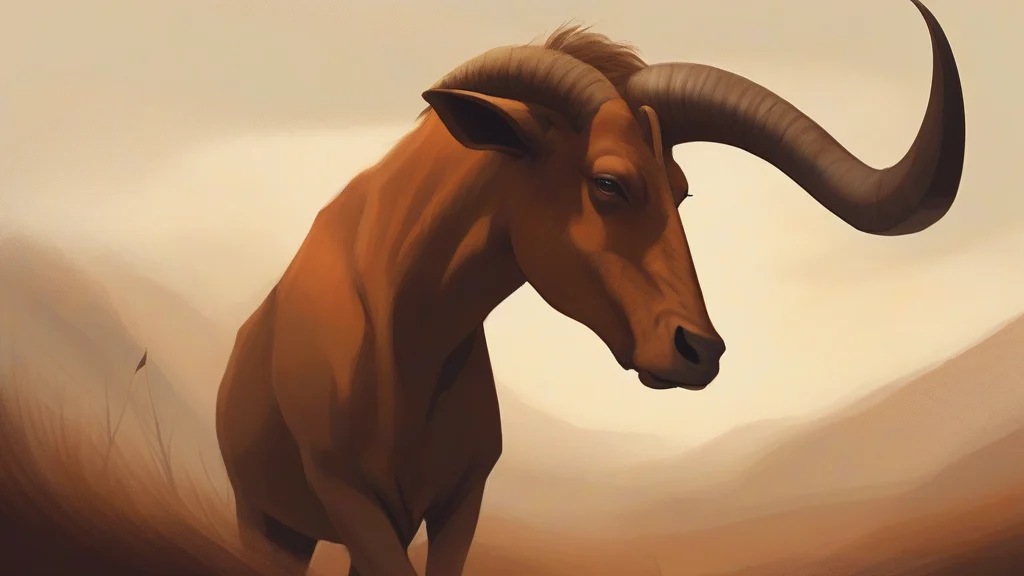
What does dehorn mean?
Dehorn is a verb meaning to remove the horns of an animal, most commonly cattle or goats. Farmers and veterinarians dehorn livestock to prevent injury to other animals and handlers, to reduce damage to equipment, and to make the animals easier to manage. The procedure is typically performed on young calves using methods such as hot-iron cauterization, chemical dehorning paste, or physical removal, and it is often distinguished from disbudding, which treats younger animals before the horn buds fuse to the skull. Because the practice raises animal-welfare concerns, dehorning appears frequently in agricultural policy debates and is increasingly replaced by breeding naturally polled (hornless) cattle. In informal North American usage, dehorn has a secondary sense: removing decorative chrome trim from a vehicle. The word derives simply from the prefix de-, indicating removal, combined with horn.
verbTo remove the horns of an animal, typically cattle or goats, usually by sawing, cutting, or chemical means.
- To remove the horns from an animal such as a cow, bull, or goat.
- (Informal) To remove decorative trim or ornamentation from something, especially chrome detailing from a car.
"The veterinarian recommended that the calves be dehorned while young to minimize stress and bleeding."
"Farmers often dehorn their herds to reduce injuries among the animals and handlers."
"He decided to dehorn his classic pickup, stripping off the brightwork for a cleaner look."
The word 'dehorn' does double duty in the English language — it can also mean to strip a car of its chrome trim, as if the vehicle were a proud steer losing its horns.
Reviewed by Deb Chak, Editor. AI-assisted content curated by RJS Tech Solutions LLP.
Etymology of dehorn
Dehorn is formed transparently within English from the prefix de-, indicating removal or reversal, attached to the Old English noun horn. Horn itself traces back through Proto-Germanic *hurną to the Proto-Indo-European root *ḱer-, meaning head or horn, the same root behind Latin cornu and Greek keras. This ancient root gives English a wide family of related words, including unicorn, rhinoceros, cornea, and cornucopia. As a verb, dehorn arose in English in the context of animal husbandry, where the practice of horn removal has been documented for centuries.
Related word forms
How dehorn is actually used
Primarily used in agricultural, veterinary, and farming contexts. The secondary sense referring to removing automotive chrome trim is informal and chiefly North American. The practice itself is subject to animal-welfare debate in many countries, so the word may carry contested connotations in discussions of livestock husbandry.
Easily confused with dehorn
Disbudding removes the horn buds of very young animals before they attach to the skull, whereas dehorning removes fully grown or attached horns from older animals.