What does dormice mean?
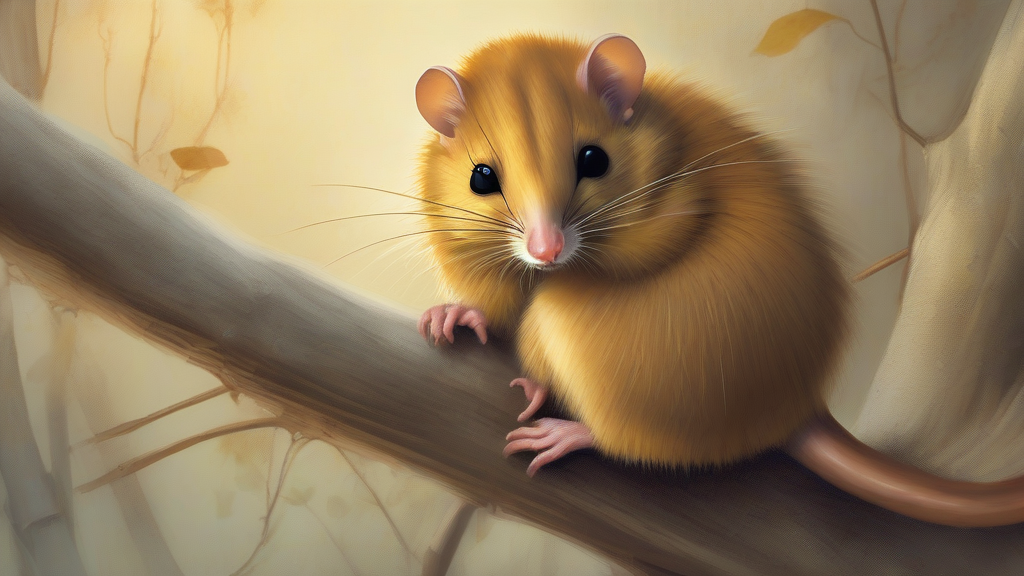
Dormice is the plural form of dormouse, referring to small, largely nocturnal rodents of the family Gliridae found across Europe, Asia, and Africa. Best known species include Britain's hazel dormouse, with its golden fur and thick tail, and the larger grey edible dormouse of continental Europe. What sets dormice apart from other mice-like rodents is their extraordinary torpor: they can hibernate for many months of the year, waking only briefly, and they move through trees with agile, sure-footed grace. The word itself is steeped in history — it may derive from French elements meaning 'sleeping' and 'mouse', and the Romans kept edible dormice in earthenware jars called gliraria to fatten them for feasts. Today, dormice appear most often in conservation contexts, as habitat loss has made them one of Britain's most closely watched protected mammals, and in literary memory through the perpetually drowsy dormouse at the Mad Hatter's tea party.
nounDormice is the plural of dormouse: small, nocturnal, mostly tree-dwelling rodents of the family Gliridae, known for their thick fur, long hibernation periods, and bushy tails in some species.
- The plural of dormouse: any small nocturnal rodent of the family Gliridae, such as the hazel dormouse or the edible dormouse.
"In autumn, the dormice fatten up on hazelnuts before retreating to their nests for months of hibernation."
"Conservationists installed dozens of nest boxes to monitor the declining population of dormice in the ancient woodland."
"At the Roman villa's ruins, archaeologists found clay containers once used to keep fattened dormice ready for the table."
Dormice is already the standard irregular plural of dormouse (following mouse/mice); it should not be made plural again.
"Woodland rangers counted several dormice during the autumn survey."
A dormouse can sleep for more than half the year — and the Romans famously raised edible dormice in special pots called gliraria to fatten them for banquets.
Reviewed by Deb Chak, Editor. AI-assisted content curated by RJS Tech Solutions LLP.
Etymology of dormice
The singular dormouse entered Middle English, probably via Anglo-Norman or Old French, as a blend suggesting both dormeuse ('sleepy female', from Latin dormire, 'to sleep') and the native word 'mouse' by folk association. The plural dormice simply follows the irregular mouse/mice pattern. The same Latin root dormire gives English cognates such as dormant, dormitory, and dormer, all carrying the sense of sleeping or rest.
Related word forms
How dormice is actually used
Dormice functions as an irregular English plural whose form mirrors 'mouse' → 'mice'; the singular is dormouse. The word carries a gentle, storybook connotation in British culture thanks to Lewis Carroll's sleepy dormouse in Alice's Adventures in Wonderland, but in ecological and conservation writing it is a precise technical term.
Easily confused with dormice
Mice are members of the family Muridae, whereas dormice belong to the separate family Gliridae and are famous for their long winter hibernation.