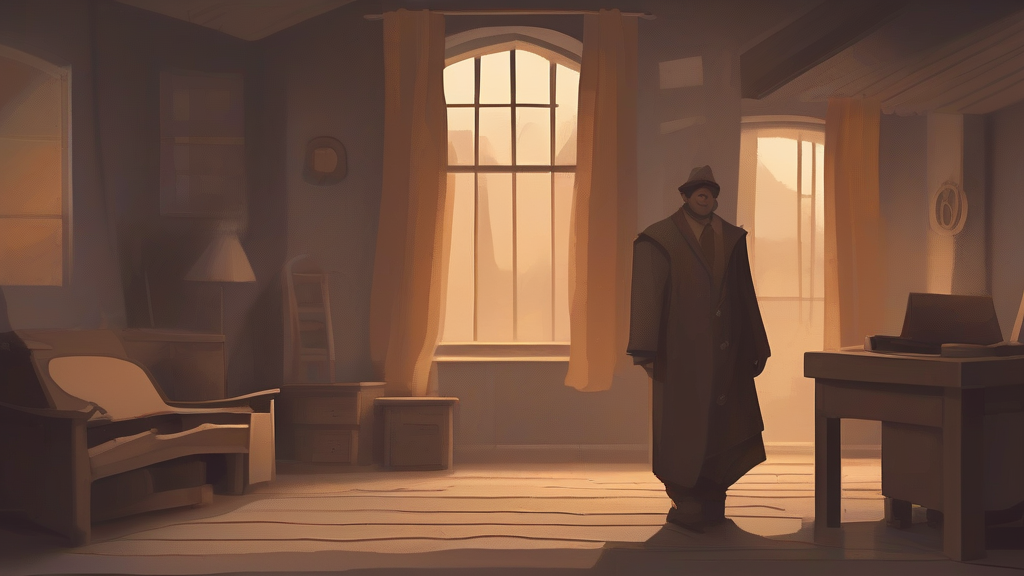
What does dunness mean?
Dunness is the quality or state of being dun — that is, of having a dull, grayish-brown coloring. The word derives from the adjective dun, long used to describe horses' coats, overcast landscapes, and weathered surfaces. In practice, dunness appears most often in descriptive and literary writing, evoking the muted palette of a moor in late autumn, a ploughed field under a heavy sky, or the plain coat of a dun-colored animal. It carries no strong negative connotation of its own, but because it describes drab, subdued tones it often contributes to an atmosphere of bleakness or quiet monotony in a passage. Closely related words include the adjective dun itself and the rarer dunnish. Though uncommon in modern speech, dunness offers writers a precise, economical way to name a particular kind of earthy dullness that more general terms like darkness or dinginess do not quite capture.
nounThe quality or state of being dun; a dull, grayish-brown coloration, especially of an animal's coat or a landscape.
- A dull grayish-brown color or coloration.
- The state or quality of being dun-colored.
"The dunness of the moor in November seemed to swallow the last of the autumn light."
"The painter captured the dunness of the winter hills with just two pigments."
"Breeders prize the horse's coat for its uniform dunness from mane to tail."
Almost always used as an uncountable mass noun; a plural form exists grammatically but is essentially never attested in real usage.
"The painting's many subtle dunnesses give the landscape its somber depth."
Dunness isn't gloominess — it's the exact shade of a moor in November: that dull gray-brown the English language has been naming since Middle English.
Reviewed by Deb Chak, Editor. AI-assisted content curated by RJS Tech Solutions LLP.
Etymology of dunness
Dunness is formed from the adjective dun, meaning dull grayish-brown, combined with the noun-forming suffix -ness. Dun itself traces back through Middle English to Old English dunn, meaning dusky or brownish, and is cognate with similar forms in other Germanic languages. The word has been part of English since the medieval period, originally applied especially to the coats of horses.
Related word forms
How dunness is actually used
Rare and literary; found mostly in descriptive prose about landscape, animals, or weathered materials rather than everyday speech.
Easily confused with dunness
A dunce is a slow-witted person, whereas dunness refers to a dull brownish-gray color or coloration.
Darkness is the absence of light, while dunness is a specific drab, dull brownish-gray coloring.