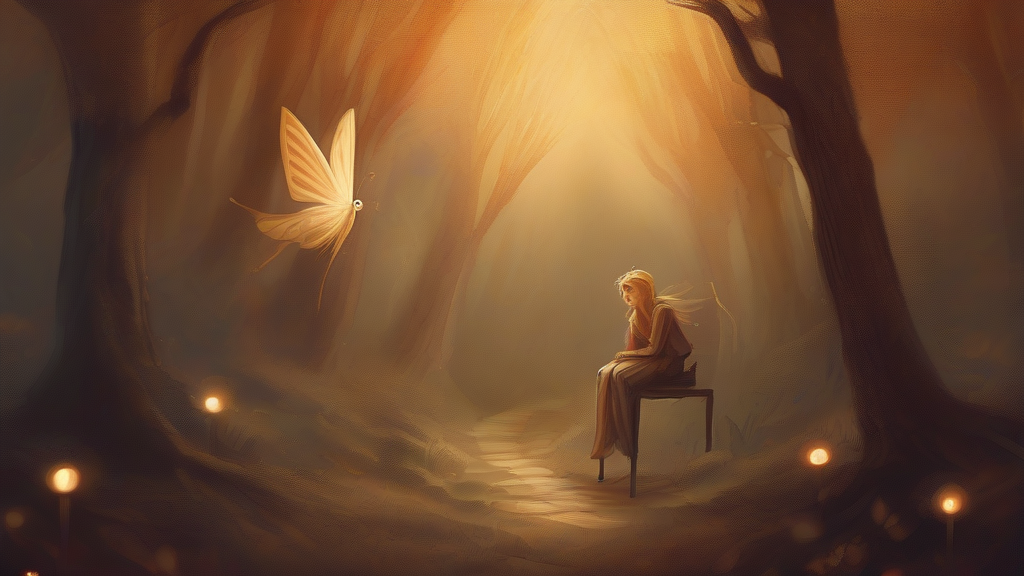
What does feerie mean?
A feerie is a lavish stage spectacle built around fairy-tale or supernatural themes, characterized by elaborate scenery, music, dance, and magical special effects. The term entered English from French in the nineteenth century, when Parisian theatres made the féerie one of their signature genres — enormous productions filled with flying dancers, transformation scenes, and glittering machinery. By extension, 'feerie' can describe any scene of dreamlike, fantastical splendor, as when a landscape at dusk seems like something out of an enchanted storybook. The word is uncommon in modern English and carries a literary, slightly old-fashioned tone; writers reach for it chiefly in theatre history or in deliberately ornate description. It is related to 'fairy', both descending ultimately from the Latin 'fata', meaning the Fates, though the two words are not interchangeable: a fairy is a being, while a feerie is an entire world of enchanted display.
A lavish theatrical spectacle depicting magical or fairy-tale events, with elaborate staging, music, and special effects.
"The theatre's annual Christmas feerie drew families from across the city."
Most often encountered in discussions of nineteenth-century French theatre, where the genre was known as the féerie.
A scene or scene-like display of fantastical, dreamlike beauty.
"The harbor at midnight became a feerie of reflected lantern light."
The plural follows the standard English pattern of adding -s; the French plural 'féeries' may appear in scholarly writing about the French genre.
"The playwright wrote several feeries before turning to realistic drama."
Borrowed straight from the French stage in the nineteenth century, 'feerie' named the most spectacular shows of the era — productions so packed with flying fairies and transformation scenes that the word itself came to mean pure visual magic.
Reviewed by Deb Chak, Editor. AI-assisted content curated by RJS Tech Solutions LLP.
Etymology of feerie
'Feerie' was borrowed into English from French 'féerie', itself derived from 'fée' (fairy), which traces back through Old French to the Latin 'Fāta', the goddesses of fate. The French term arose in the seventeenth century for literary fairy tales and came to name the spectacular theatrical genre that flourished in nineteenth-century Paris. English adopted it in the nineteenth century, primarily in accounts of the continental stage, and extended it metaphorically to any scene of magical splendor. It shares its ultimate origin with 'fairy' and 'fay'.
How feerie is actually used
The word is rare in everyday English and retains a literary, somewhat archaic flavor; it is used mainly in theatre history and descriptive writing. It is a direct borrowing of French 'féerie', which is still current in French. The plural is regular ('feeries').
Easily confused with feerie
A fairy is an individual mythical being, while a feerie is a whole theatrical spectacle or dazzling display associated with such beings.