
What does hymenopteran mean?
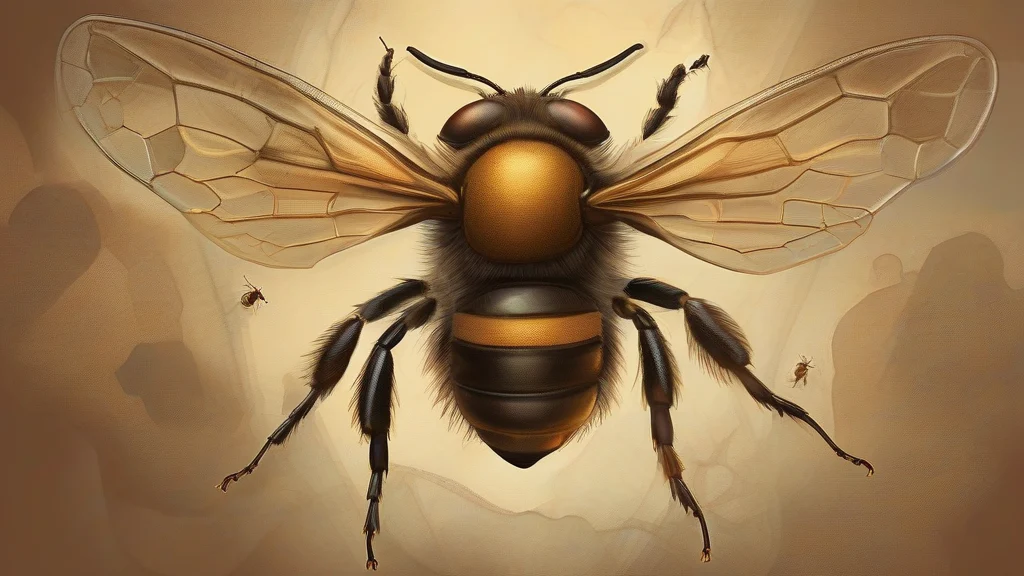
Hymenopteran is a specialist entomological term that can serve as a noun for an insect in the order Hymenoptera or as an adjective describing such insects. The order includes ants, bees, wasps, and sawflies, alongside many less familiar species. As a noun, the word normally refers to an individual member of the order; as an adjective, it commonly modifies words such as species, diversity, and taxonomy. The term is mainly used in zoological, ecological, and agricultural writing, where precision matters more than everyday accessibility. Its form reflects the taxonomic name Hymenoptera, which combines Greek roots meaning “membrane” and “wing” and refers to the characteristic membranous wings of these insects. Hymenopteran is especially useful when a speaker needs a formal or broadly applicable label for a member of this insect group rather than naming a particular species. It is specialized rather than difficult, and its taxonomic specificity makes it common in scientific prose and research discussions.
An insect belonging to the order Hymenoptera, including ants, bees, wasps, and sawflies.
"The scientist identified the hymenopteran as a tiny parasitic wasp."
Usually used in entomological or zoological contexts; it names an individual member of the order without specifying its species.
Belonging to or relating to the order Hymenoptera.
"The researchers documented a decline in hymenopteran diversity."
Common in technical descriptions of species, populations, diversity, taxonomy, and ecological relationships involving members of the order.
The standard plural when referring to multiple individual insects belonging to the order; the taxonomic order name Hymenoptera itself remains unchanged.
"Several hymenopterans gathered around the flowering herbs."
Hymenopteran puts ants, bees, wasps, and sawflies under one wing: a name built from the Greek for “membrane” and “wing.”
Reviewed by Deb Chak, Editor. AI-assisted content curated by RJS Tech Solutions LLP.
Etymology of hymenopteran
The word derives from the taxonomic name Hymenoptera, formed from Ancient Greek hymen, meaning “membrane,” and pteron, meaning “wing.” The combined form refers to the membranous character of the insects' wings. English hymenopteran and related forms such as hymenopteron and hymenopterous continue this Greek-based taxonomic tradition.
Related word forms
How hymenopteran is actually used
This is specialist entomological vocabulary used chiefly in scientific, ecological, and agricultural writing. As an adjective, it is more specific than the general word “insect” and is normally used when the order is relevant to the context.
Easily confused with hymenopteran
Hymenopteran can function as either a noun or an adjective, whereas hymenopterous is used primarily as an adjective meaning characteristic of the order Hymenoptera.