
What does intarsia mean?
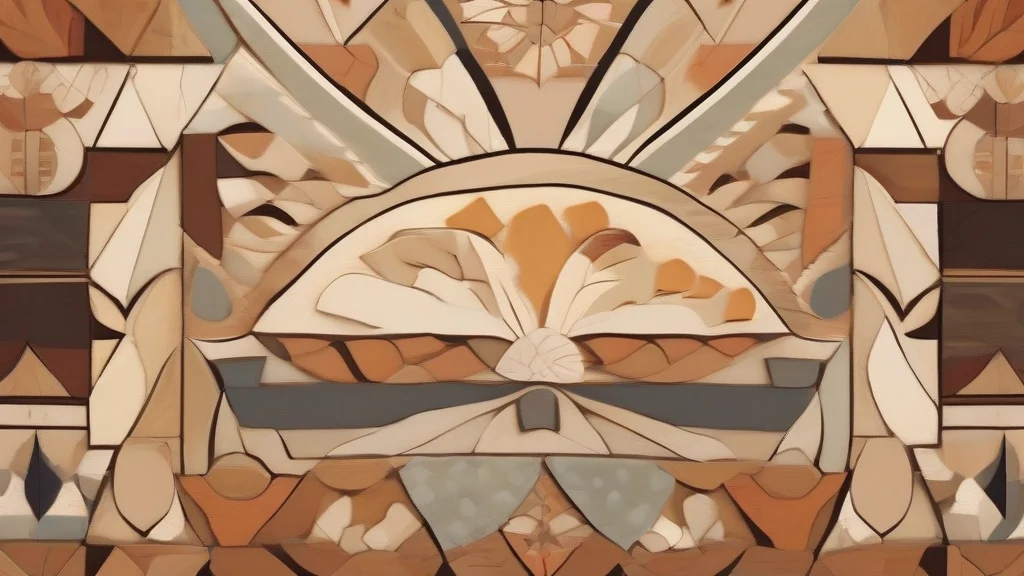
Intarsia is the decorative art of creating pictures, patterns, and scenes by fitting pieces of wood together, usually in contrasting colors and grains. The pieces are cut with great precision and joined to form a flat surface or incorporated into furniture, cabinets, boxes, and architectural panels. The technique is especially associated with Renaissance and later European decorative arts, although it has been used in many periods and regions. Intarsia differs from ordinary patching because its purpose is ornamental and its components are carefully selected for their visual effect. The word can refer either to the technique itself or to a finished decorative work made with it. It is also sometimes distinguished from marquetry and parquetry, related forms of ornamental woodwork. Intarsia remains useful today for describing finely crafted furniture and decorative surfaces, and its name evokes both precision workmanship and the transformation of separate pieces of wood into a unified image.
nounDecorative inlay work in which pieces of wood, often of contrasting colors and grains, are fitted together to form a picture or pattern. The term can also refer to the finished decorative panel or surface made by this technique.
- The art or technique of making decorative designs by fitting contrasting pieces of wood together.
- A decorated panel, surface, or object made by this technique.
"The cabinet was decorated with intricate intarsia depicting a woodland scene."
"She studied the workshop where craftsmen were restoring a Renaissance intarsia cabinet."
"The table's intarsia featured birds among flowering branches."
Usually used in the plural when referring to multiple decorative works or panels; the singular is also commonly used as a collective or uncountable term for the technique.
"The collection includes several Renaissance intarsias depicting religious scenes."
From an Italian word meaning “inlay,” intarsia transformed pieces of wood into jewel-like scenes and objects.
Reviewed by Deb Chak, Editor. AI-assisted content curated by RJS Tech Solutions LLP.
Where does intarsia come from?
The English word comes from Italian intarsia, meaning an inlay or inlaid work. Italian in turn borrowed the related verb intarsiare, “to inlay,” from a compound based on in- “in” and tarsiare, ultimately associated with Latin tessera, a small tile or piece used for decoration. The related Italian word tarsia refers to a form of decorative wood or ivory inlay. Cognates in several European languages preserve the same general sense of ornamental inlay work.
Related word forms
How intarsia is actually used
Intarsia is primarily used for decorative woodworking and furniture. It is sometimes used more broadly for similar inlay work in materials other than wood, but its conventional association is with finely fitted wood pieces.
Easily confused with intarsia
Intarsia refers specifically to the decorative inlay technique and its resulting designs, while marquetry is the broader decorative art of applying contrasting veneers or thin pieces of material to a surface.
Parquetry consists of geometric or pictorial patterns made from geometrically shaped wood pieces, whereas intarsia commonly features pictorial and figurative designs assembled from precisely fitted pieces.