
What does ion mean?
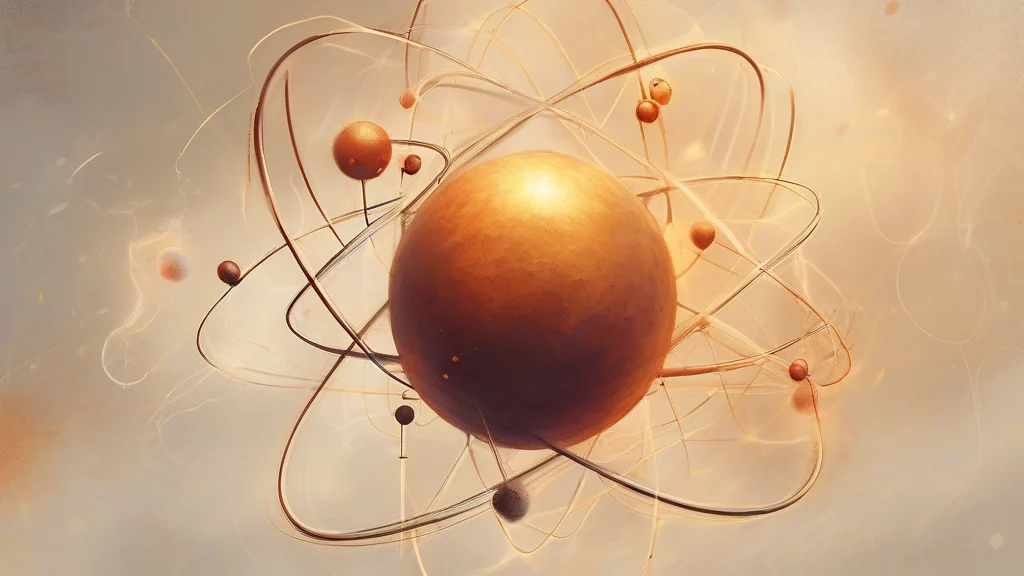
An ion is an atom or molecular group that carries an electric charge because it has either lost or gained electrons. Losing electrons produces a positive ion, known as a cation, while gaining electrons produces a negative ion, known as an anion. Ions occur naturally and are essential in chemistry, physiology, and modern technologies. For example, sodium and potassium ions move through cell membranes during nerve signaling, while charged ions in a solution allow electricity to pass through it. In everyday conversation, “ion” is uncommon and usually signals a scientific topic. Less frequently, writers use the word figuratively for someone or something that has been separated from a larger community, institution, or body.
nounAn atom or molecular group carrying a net electric charge because it has gained or lost one or more electrons.
- An atom or molecular group with a net electric charge resulting from the gain or loss of electrons.
- Figuratively, a person or element that has become separated from the larger body to which it belonged.
"The positively charged ion moved toward the negatively charged electrode."
"The sodium ion moved through the solution toward the cathode."
"The novel's narrator presents himself as an ion, detached from the community he once belonged to."
The regular plural is used when referring to multiple charged atoms or molecular groups.
"The solution contained ions of both positive and negative charge."
The name comes from the Greek for “going,” a fitting tribute to the way charged particles travel through an electrolyte.
Reviewed by Deb Chak, Editor. AI-assisted content curated by RJS Tech Solutions LLP.
Where does ion come from?
The word comes from Greek ion (ἰόν), the neuter present participle of ienai, “to go.” Michael Faraday introduced the term in the 1830s while describing charged particles that move through electrolytes during electrolysis. English subsequently extended it through related forms such as ionic, ionize, and ionosphere.
Related word forms
How ion is actually used
In scientific usage, an ion is either positively charged, called a cation, or negatively charged, called an anion. The term is chiefly technical, though figurative uses occur in literary and sociological writing.