
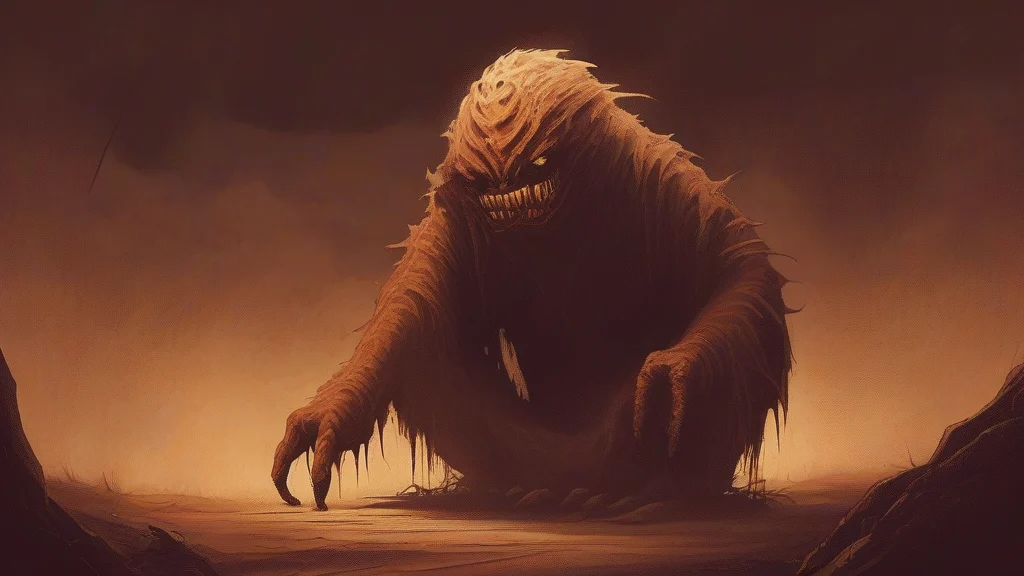
What does monstrosity mean?
Monstrosity denotes something regarded as morally abhorrent, exceptionally cruel, or so extreme in scale or appearance that it appears grotesque. In its most serious sense, the word refers to an act or condition that violates basic human standards, as in discussions of war, persecution, or cruelty. It can also identify a person or creature perceived as monstrous, though modern usage especially emphasizes actions, systems, and physical structures that are unusually horrifying or excessive. Because monstrosity carries a powerful emotional charge, it is common in formal writing, historical analysis, journalism, and criticism. The word is generally more intense than words such as wrongdoing or atrocity when it conveys moral outrage. In physical and architectural contexts, it can describe a building or object whose extreme size, ugliness, or strangeness makes it seem grotesque rather than merely unattractive.
nounA monstrous or exceptionally cruel act, person, creature, or thing. The word can also refer to something so large, ugly, or extreme that it seems extraordinary or grotesque.
- An act of extreme cruelty, injustice, or moral wickedness.
- A person, creature, or thing regarded as monstrous or morally abhorrent.
- Something so large, ugly, or extreme that it appears grotesque or grotesque in scale.
- The character or quality of being monstrous.
"The monstrosity of the slaughter shocked the entire nation."
"Historians described the treatment of the prisoners as a monstrosity."
"The unfinished tower was regarded by critics as an architectural monstrosity."
The plural is less common than the singular and is typically used when referring to distinct acts, people, or things considered monstrous.
"The testimony described numerous monstrosities committed during the conflict."
From the Latin word for an abnormal or portentous creature, monstrosity grew into one of English's strongest expressions of moral outrage.
Reviewed by Deb Chak, Editor. AI-assisted content curated by RJS Tech Solutions LLP.
Where does monstrosity come from?
Monstrosity comes from the Latin noun monstrositas, meaning “monstrousness” or “abnormality,” which was formed from monstrum, “monster” or “an abnormal thing portending evil.” English borrowed the word through French and Latinate usage in the early 17th century. Related English forms include monster, monstrous, and monstrousness, while words such as demonstrate ultimately derive from the same Latin root.
How monstrosity is actually used
This is primarily a formal and literary noun with a strongly condemnatory tone. It is often used to emphasize the moral gravity of an act or the excessive, grotesque character of a thing.
Easily confused with monstrosity
A monster is primarily a monstrous creature, whereas monstrosity may refer more broadly to an evil act, an extreme situation, or a grotesquely excessive thing.