
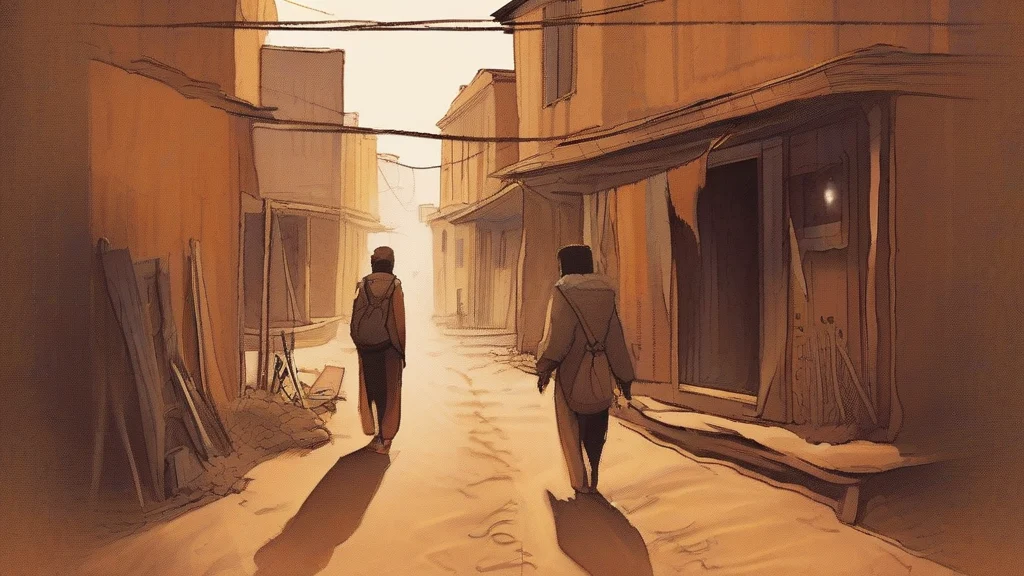
What does nomad mean?
A nomad is someone who moves from place to place rather than maintaining a permanent home. The word is especially associated with pastoral peoples who follow seasonal routes to find grazing land or other resources, but it can also describe modern travellers, migrants, and people whose work or lifestyle requires frequent movement. In everyday and literary use, “nomadic” may suggest independence, adaptability, and freedom, although it can also imply instability or an absence of settled roots. The term is used across British and American English, with no major regional difference. As an adjective, “nomadic” describes a way of life or group rather than an individual: a nomadic community may move between locations according to the seasons, work, or changing circumstances.
nounA member of a people who move from place to place, typically to find pasture, resources, or work, rather than settling permanently. The word can also refer more broadly to someone whose lifestyle or movement is itinerant.
- A member of a people who move seasonally or itinerantly, usually in search of pasture, resources, or livelihood.
- A person who travels or lives an unsettled lifestyle.
- By extension, someone who frequently changes location or belongs to a mobile social group.
"The nomadic community followed the seasonal grazing routes across the mountains."
"The nomad set out before dawn, leading the herd toward the winter pasture."
"After years of working abroad, he remained, in spirit, a nomad."
The regular plural is used for individual members of nomadic peoples or groups.
"The nomads moved their camp when the weather changed."
The word “nomad” preserves an ancient idea: a people whose home is defined by movement rather than a fixed address.
Reviewed by Deb Chak, Editor. AI-assisted content curated by RJS Tech Solutions LLP.
Etymology of nomad
The English word entered use in the sixteenth century from French nomade, which was borrowed from Latin forms derived from Greek. The Greek noun nomas referred to a people who roamed in search of pasture or other necessities. The modern form became established through French and became the source of related English derivatives such as nomadic and nomadism.
Related word forms
How nomad is actually used
In its traditional sense, the word usually refers to a member of a pastoral or itinerant people. Modern figurative uses can carry a romantic sense of freedom, but may also suggest rootlessness or lack of stability.
Easily confused with nomad
A nomad is a person who moves from place to place, whereas nomadic describes a lifestyle, practice, or group characterized by such movement.