
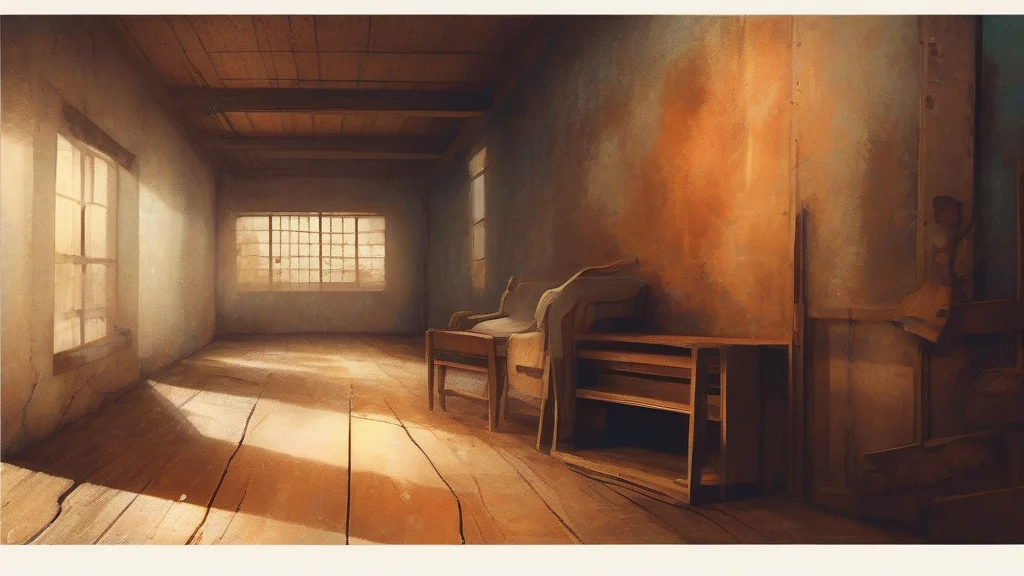
What does patined mean?
Patined means covered with or bearing a patina: a surface layer that develops through age, handling, oxidation, wear, or deliberate finishing. The term is especially common for bronze, copper, brass, wood, and leather, whose changing surfaces can acquire rich colors and textures. A patina may be prized as evidence of history, craftsmanship, or prolonged use, although it can also refer to a surface treatment designed to create an antique appearance. The adjective often carries a positive aesthetic implication, suggesting warmth, character, and age rather than simply neglect. In general use, it is more evocative than “old” or “worn” and more specific than “weathered.” The related noun patina names the layer itself, while patined describes the object that bears it. The word is also the past tense and past participle of the rare verb patine, meaning to give an object a patina or to acquire one.
Covered with or possessing a patina; bearing the aged or timeworn surface characteristic of a material.
"The patined bronze doors displayed deep shades of green and brown."
Chiefly literary and aesthetic; often used for metal, wood, stone, or leather.
To give a patina to something or to acquire a patina.
"Repeated handling gradually patined the brass handle."
Rare in contemporary usage and more common in descriptions of art, metalwork, and conservation.
Bronze does not merely age; under the right conditions, it earns a patina.
Reviewed by Deb Chak, Editor. AI-assisted content curated by RJS Tech Solutions LLP.
Where does patined come from?
The adjective was formed in English from patina, the noun for such a surface layer, with the standard participial ending -ed. The English noun patina was borrowed through French from Italian patina, ultimately from Latin patina, a term associated with a dish or shallow pan. The same Latin source also underlies related forms such as patinate and patination.
Related word forms
How patined is actually used
The word is chiefly literary and descriptive, especially when referring to metal, wood, stone, or leather. It conveys a valued effect of age and use rather than merely the presence of dirt or deterioration.
Easily confused with patined
Patina names the surface layer itself, whereas patined describes an object that possesses such a layer.