
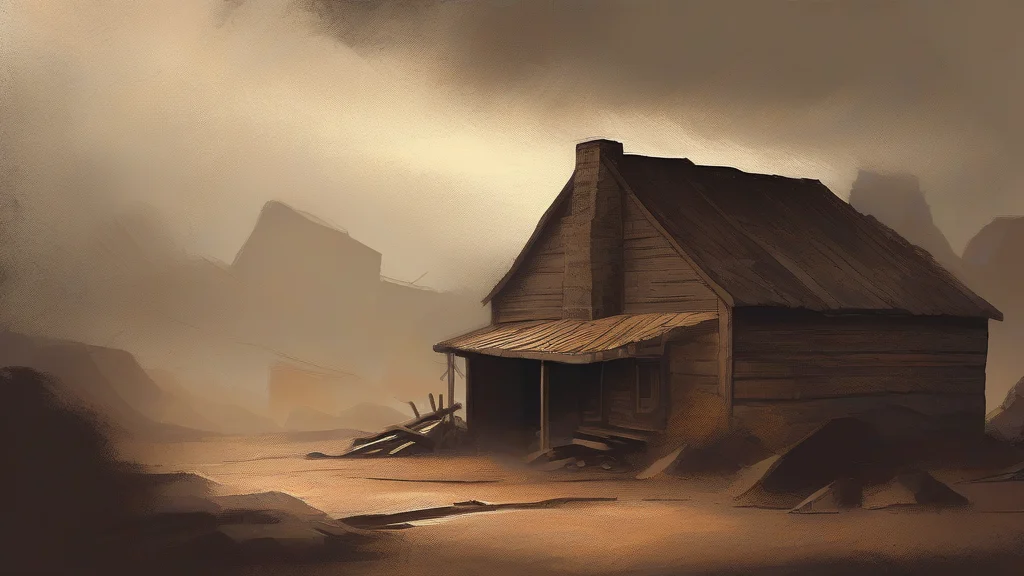
What does weathered mean?
Weathered is an adjective and participial form describing something that has been altered by exposure to weather over time. It commonly refers to wood, stone, paint, metal, or landscapes whose surfaces have become faded, rough, cracked, or worn. The word can also describe a person’s face or appearance, often with the implication of age, experience, and resilience rather than simple deterioration. As a verb, to weather means to become worn through exposure to the elements, while the figurative use means to survive a difficult period. Weathered therefore combines a literal physical sense with a broader metaphor of endurance. The word is recognizable in both British and American English and is especially useful when the effect of time and exposure matters, as in weathered wood, weathered stone, or a weathered political reputation.
Worn, aged, or altered by exposure to the elements; often describing wood, stone, paint, or a person’s appearance.
"The weathered stone walls were covered in lichen."
When applied to a person, it can suggest experience and character rather than merely deterioration.
To become worn or eroded through exposure to the elements, or figuratively to endure a difficult experience successfully.
"The old sign has weathered badly, and its lettering is barely legible."
A weathered surface has been battered by nature, while a weathered face can suggest a life of experience rather than decay.
Reviewed by Deb Chak, Editor. AI-assisted content curated by RJS Tech Solutions LLP.
Where does weathered come from?
Weathered was formed by adding the participial ending -ed to the existing verb weather, whose literal sense involves exposure to wind, rain, and other atmospheric conditions. The base word has Old English roots associated with weder, an Old English term for wind, air, or sky, and related forms occur across Germanic languages. The modern adjective developed from the idea of being changed by exposure to the elements, while the figurative verb sense arose from the metaphor of enduring adverse conditions.
Related word forms
How weathered is actually used
The adjective is neutral or slightly negative for damaged materials but can be approving when applied to a face or appearance, suggesting age, character, and experience. The verb is common in formal and figurative descriptions of enduring hardship.
Easily confused with weathered
Weathered describes damage or aging caused by exposure to the elements, whereas withered usually means dried out, shriveled, or deprived of vitality.