
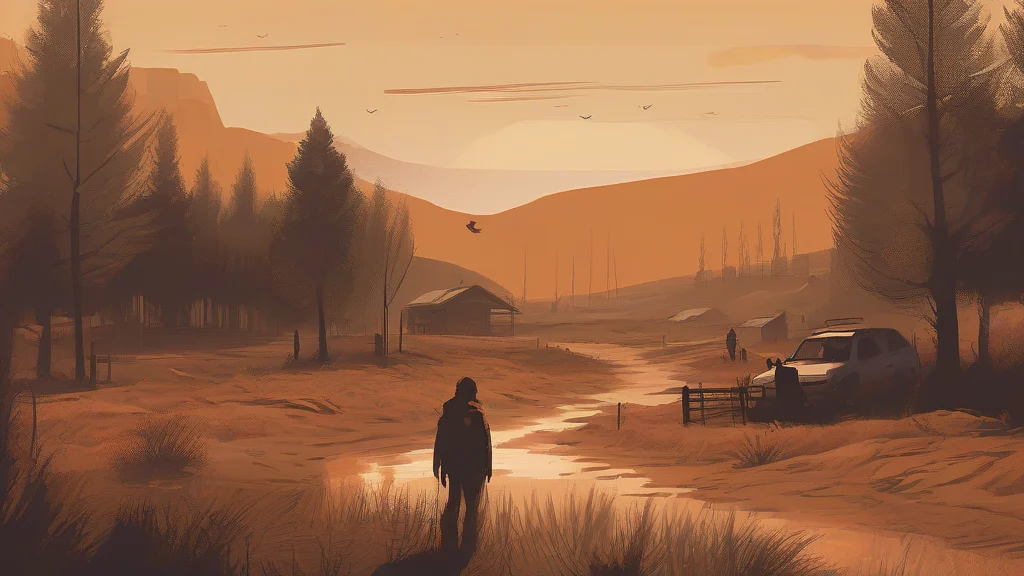
What does repopulation mean?
Repopulation is the process of bringing people back to an area that has become empty or sparsely populated. It is especially associated with rural depopulation, declining towns, former settlements, and regions where population decline has damaged local communities or economies. The word can describe government and charitable programmes intended to attract residents, as well as the broader social and economic process of recovery. For example, infrastructure improvements, affordable housing, and incentives for new businesses may encourage the repopulation of a remote area. Although it can occasionally describe the deliberate restocking of animals or plants, its usual modern meaning concerns people returning to inhabit a place. Repopulation carries a generally hopeful connotation, suggesting renewal and restored vitality, while also acknowledging that the original population has already been lost.
nounThe act or process of populating an area again after it has become sparsely populated or empty. It can also refer to the state of being populated again.
- The process or act of populating a place again.
- The state or result of being populated again.
"The programme was introduced to encourage the repopulation of the valley and revive its local communities."
"New infrastructure and incentives have supported the repopulation of the island."
"The town's gradual repopulation has brought a modest revival to its local economy."
Plural is possible but uncommon; the word is usually used in the singular.
"The repopulations of several small villages have provided a modest boost to the local economy."
Repopulation is what happens when a place gets a second chance: empty homes, depopulated villages, or recovering regions begin to attract people again.
Reviewed by Deb Chak, Editor. AI-assisted content curated by RJS Tech Solutions LLP.
Where does repopulation come from?
Repopulation was formed in the 19th century by combining the prefix re-, meaning “again,” with population, from the Latin populus, meaning “people.” Population itself derives from the same Latin word through the earlier English form populacioun. Related English words include populate and populous, while popular comes through the Latin popularis, meaning “of the people.” The prefix re- here signals a return to a previously populated condition rather than the beginning of settlement.
Related word forms
How repopulation is actually used
The word is relatively formal and is most often used in discussions of rural decline, regional development, conservation, and settlement. It normally implies that a place has previously been populated and has become empty or sparsely inhabited.
Easily confused with repopulation
Repopulation means filling an area with people again, whereas reoccupation means taking possession of it again, which may not involve population.
Repopulation specifically concerns bringing people or inhabitants back to an area, while restoration refers more broadly to returning something to an earlier condition.