
What does sew mean?
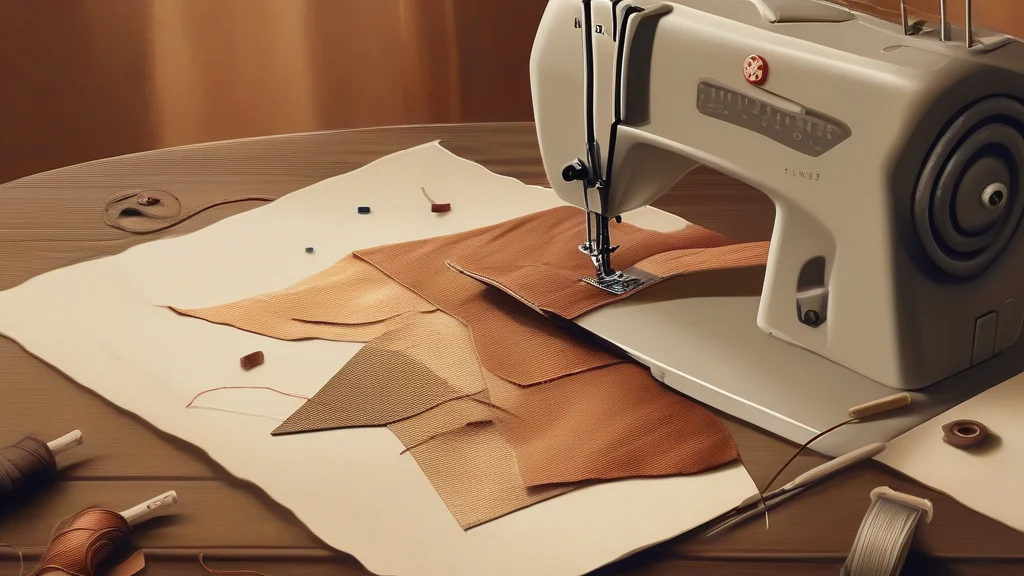
To sew is to join or fasten material by passing thread through it in a series of stitches, usually with a needle or sewing machine. The word commonly refers to making or repairing clothing, but it also applies to other flexible materials such as leather, canvas, and fabric used in crafts. A person who sews is a seamstress or tailor, depending on the kind of work involved. Sew can also be used figuratively: to sew something up means to complete it, settle it, or put its loose ends in order. In everyday use, the expression often suggests care and attention to detail. Its historical form preserves an unusually old sense of the word, since the English language once used sew broadly for joining material, even though its modern uses are most strongly associated with cloth and clothing.
verbTo join pieces of fabric, leather, or other material together with thread or stitches. It can also mean to make or repair an item by sewing, and figuratively to arrange or secure something successfully.
- To join two or more pieces of material together with thread and needle or with a sewing machine.
- To make, mend, or alter an item of clothing or another fabric object by stitching it.
- To figuratively arrange, complete, or secure something successfully, especially in the expression sew up.
"She spent the evening sewing a delicate hem into the dress."
"The tailor sewed a new pocket onto the coat."
"They quickly sewed up the remaining details before the meeting."
From sewing a single seam to sewing up the loose ends of an entire project, one word carries both the literal craft and its figurative sense of making something complete.
Reviewed by Deb Chak, Editor. AI-assisted content curated by RJS Tech Solutions LLP.
Where does sew come from?
The word descends from Old English siuwan, meaning to join or fasten with thread. It developed through West Germanic and is related to forms in several Germanic languages, including Dutch naaien and German nähen. The past participle once commonly had the form sewen, but the modern form sewn reflects a later irregular development. The English word suture and its derivatives also belong to a related Latin family based on the root meaning to sew or join.
Related word forms
How sew is actually used
The usual past tense is sewed, while sewn is the standard past participle. Sew is transitive when it takes an object, as in sew a button onto a shirt. The phrase sew up may mean completing repairs or, figuratively, resolving difficulties; in that figurative sense it is usually informal.
Easily confused with sew
Sew means to join material with thread or stitches, whereas sue means to bring a legal claim against someone.