
What does snarled mean?
Snarled is the past tense and past participle of snarl, and it can also function as an adjective. In its sound-related sense, it describes a deep, harsh, grating noise made in the throat, often to express anger, fear, pain, or aggression. For example, a threatened animal may snarl at an approaching stranger. In its second major sense, snarled describes something twisted, knotted, or tangled into a complicated mass, especially hair, vegetation, thread, or branches. The word often carries a vivid, slightly dramatic quality: a snarled voice suggests anger or hostility, while snarled hair or growth suggests disorder and difficulty. Although snarled is closely related to the basic verb snarl, its adjective use makes it especially effective for describing both threatening sounds and physically tangled forms.
To make a deep, harsh, grating sound with the throat, especially in anger, fear, or pain.
"The cat snarled and backed away from the open door."
The past form snarled is especially common in narrative and descriptive writing.
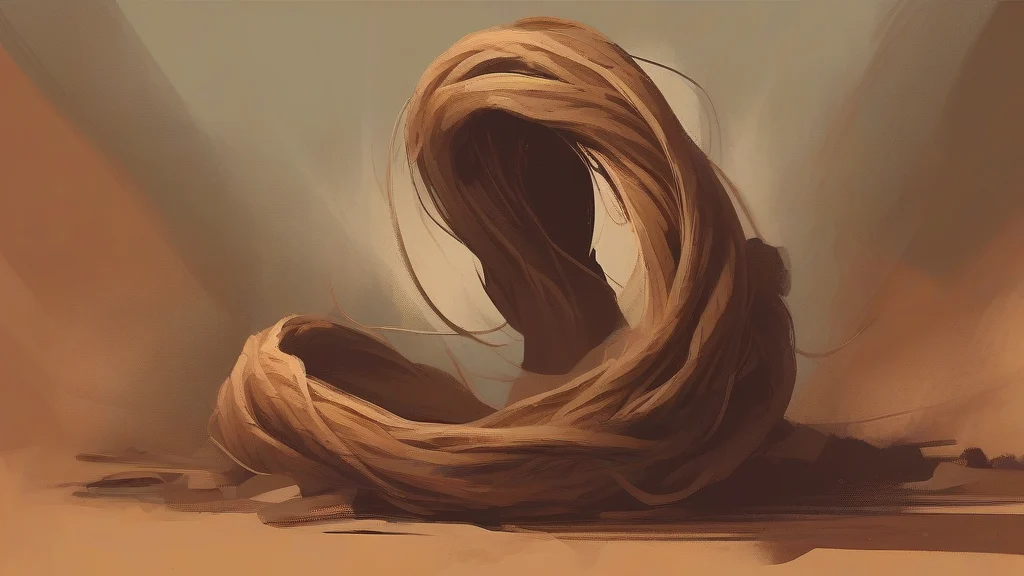
Twisted, tangled, or knotted into a complicated mass.
"Her snarled hair was still dotted with pieces of leaves."
Commonly used with hair, vegetation, thread, and other things that become tangled or twisted.
A single word can describe both a frightening growl and a knot of hopelessly tangled hair.
Reviewed by Deb Chak, Editor. AI-assisted content curated by RJS Tech Solutions LLP.
Where does snarled come from?
Snarl comes from Middle English snarlen, related to snore and to the older Germanic root associated with a harsh or noisy sound. The word originally referred to a harsh, growling vocal sound and later developed the sense of becoming or being tangled or twisted. The form snarled follows the regular English pattern of adding -ed to the verb, while its independent adjectival use developed from the idea of something twisted or knotted.
Related word forms
How snarled is actually used
The sound-related use is common in formal and literary English, as well as ordinary speech. The tangled use is especially common with hair, vegetation, thread, and other physical objects.
Easily confused with snarled
Snarled describes a deep, harsh vocal sound or something tangled, whereas snub usually means to ignore or reject someone.
Snarled is related to the sound of a snarl, while a snare is a device used to trap or catch an animal.