
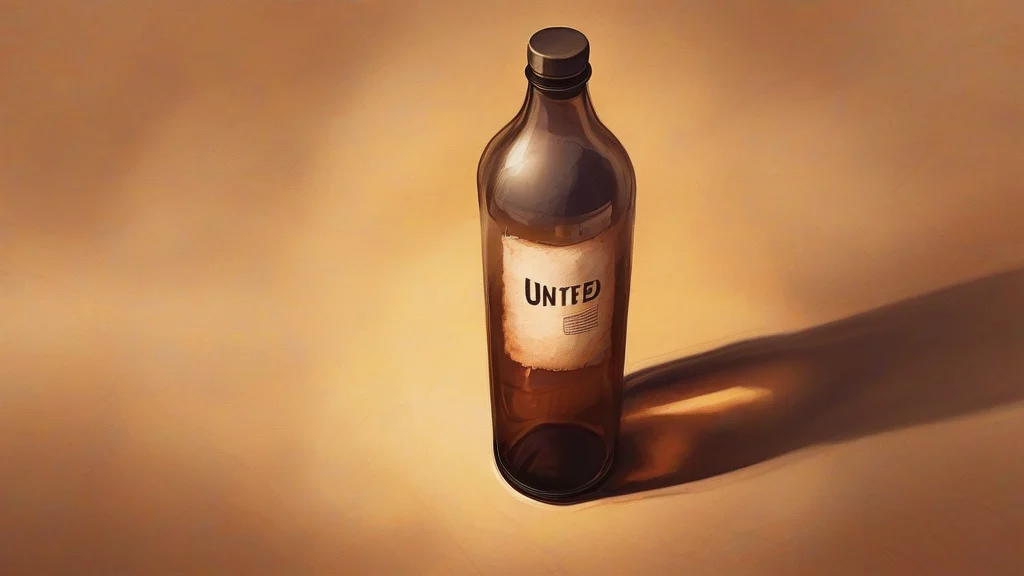
What does unbottled mean?
Unbottled is chiefly an adjective meaning that something is not enclosed or packaged in a bottle. It is used for drinks or other products sold or served directly from a cask, tank, or other container, where the absence of individual bottle packaging is the relevant distinction. The word can also have a figurative sense: emotions, energy, or creativity that are no longer held back or “bottled up” may be described as unbottled. Such figurative uses are more literary and expressive than everyday neutral language. In a sentence, “the wine was unbottled” is possible but less usual than placing the word directly before a noun. More rarely, unbottled also functions as the past tense and past participle of unbottle, meaning to remove a bottle from something or to open and serve its contents. Overall, unbottled is useful when packaging is itself significant, distinguishing loose or bulk goods from goods prepared for individual sale in glass or plastic bottles.
Not packaged in a bottle; sold or served directly from another container. By extension, released from restraint or expressed without inhibition.
"We sampled an unbottled wine served from a small wooden cask."
The literal use is standard in product and hospitality contexts. The figurative use is more literary or expressive.
Removed a bottle from something, or opened and served its contents.
"The sommelier unbottled the wine and poured it into a decanter."
This is the past tense and past participle of unbottle and is less common than the adjectival use.
Sometimes the cork is not the point: “unbottled” describes the absence of the entire package—and, figuratively, whatever was being held inside can finally come out.
Reviewed by Deb Chak, Editor. AI-assisted content curated by RJS Tech Solutions LLP.
Where does unbottled come from?
Unbottled was formed in English by adding the prefix un- to the verb bottle, with the sense “not bottled.” The English verb bottle comes from Old French botele, a word associated with a small vessel or cask, although the deeper origin of that word is uncertain. Related English forms include bottle, bottling, and bottler; the figurative sense developed by analogy with emotions or impulses being held in and then released from containment.
How unbottled is actually used
Ordinarily adjectival, though the same spelling can also function as the past tense and past participle of unbottle. The figurative use for emotions, energies, or impulses is literary or informal rather than neutral everyday prose.