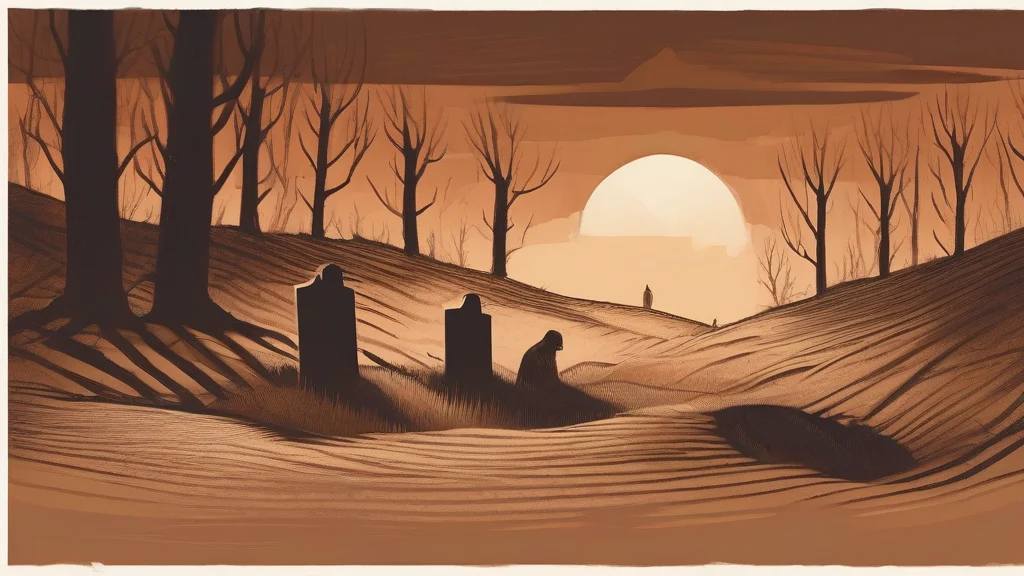
What does unburying mean?
Unburying refers to the act of uncovering or disinterring something, especially a corpse, that has been buried. This process can be undertaken for various reasons, including archaeological excavation, forensic investigation, or reburial. The term is often used in formal or technical contexts, such as discussions of archaeological discoveries, forensic science, or funeral practices. Unburying can be a solemn and respectful process, particularly when it involves the remains of a deceased person. The term is related to words like 'bury', 'burial', and 'unearth', and is often used in conjunction with words like 'exhumation' and 'disinterment'. Understanding the concept of unburying is important in various fields, including archaeology, anthropology, and law.
nounThe act of uncovering or disinterring something, especially a corpse, that has been buried.
- The act of removing something from a buried state.
- The process of uncovering a previously buried corpse or object.
"The unburying of the remains was a solemn and respectful process."
"The unburying of the ancient city was a major archaeological discovery."
"The family's request for the unburying of their loved one's remains was granted."
Countable, used to describe multiple instances of the act.
"The team conducted several unburyings during their archaeological excavation."
Reviewed by Deb Chak, Editor. AI-assisted content curated by RJS Tech Solutions LLP.
Etymology of unburying
The word 'unburying' is derived from the prefix 'un-', meaning 'not' or 'opposite of', and the verb 'bury', which comes from Old English 'byrian', meaning 'to put in the ground'. The term has evolved to describe the act of removing something from a buried state, and is often used in formal or technical contexts.
How unburying is actually used
Formal or technical contexts, often used in discussions of archaeology, forensic science, or funeral practices.