
What does wainwright mean?
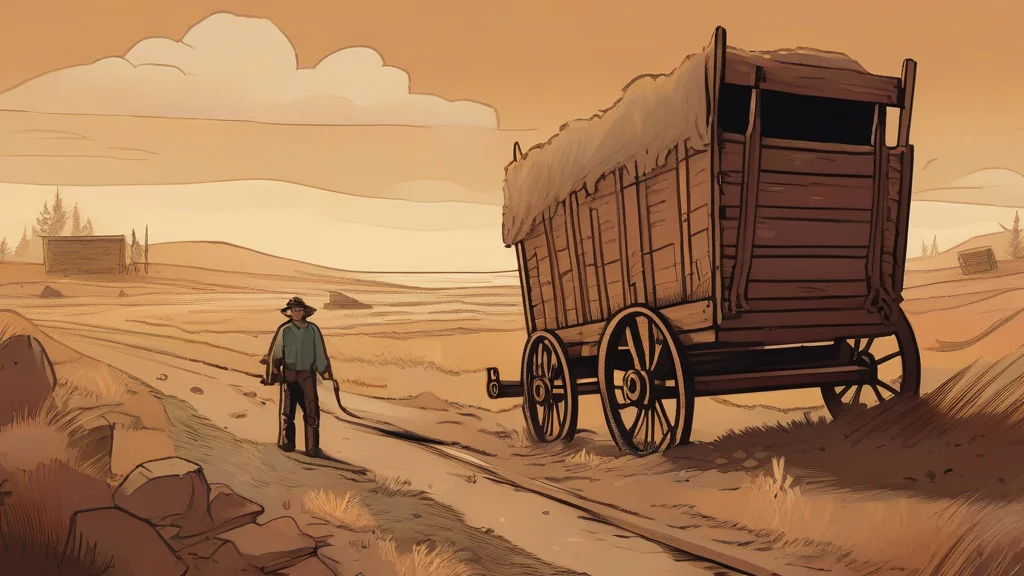
A wainwright is a craftsman who makes or repairs wagons, carts, and similar wheeled vehicles. The word is especially associated with rural Britain and with the period when such vehicles were commonly built and maintained by specialist local workers. Today it is uncommon in ordinary conversation and often appears in historical writing, local traditions, or descriptions of old crafts. “Wainwright” is related in meaning to cartwright and wheelwright, but its scope is somewhat broader: it refers to a maker or repairer of wagons rather than to a specialist in one component such as wheels. The term is also recognizable because it preserves the older English word “wain,” meaning a wagon, together with “wright,” an old word for a maker or craftsman.
nounA wainwright is a craftsman who makes or repairs wagons and similar vehicles. The word is now largely traditional or occupational, especially in Britain.
- A person who makes or repairs wagons, carts, or similar wheeled vehicles.
"The village wainwright repaired the cart before the harvest."
"The wainwright carefully repaired the wagon's axle before the market journey."
"Her great-grandfather served as a wainwright in a small Yorkshire village."
The regular plural is formed by adding “-s.”
"The wainwrights in the valley were known for their sturdy carts."
A wainwright built the wagon; the name literally identifies a maker of wains, the old English word for wagons.
Reviewed by Deb Chak, Editor. AI-assisted content curated by RJS Tech Solutions LLP.
Where does wainwright come from?
The word is formed from the Old English noun “wægn,” meaning a wagon, and “wryhta,” meaning a maker, craftsman, or builder. These elements were combined in English to name the person who made wagons. “Wain” is now archaic in English, but survives in the compound and in related forms such as “wagon,” while “wright” remains in occupational names including “wheelwright” and “shipwright.”
Related word forms
How wainwright is actually used
The term is chiefly associated with traditional British crafts and rural trades. It is uncommon in modern everyday English in both Britain and the United States, where it may sound historical or occupational.
Easily confused with wainwright
A wheelwright specializes in making and repairing wheels, while a wainwright makes or repairs complete wagons and carts.
A cartwright is closely related in meaning, but the term more specifically emphasizes making or repairing carts.