
What does waltzing mean?
Waltzing means dancing in the rhythm and movement of a waltz, usually in pairs and often while turning smoothly across the floor. The word is also used figuratively in expressions such as “waltzing around,” where it describes moving about casually, leisurely, or without a clear purpose. In its literal meaning, waltzing is a familiar activity associated with social dances, ballroom traditions, and music in triple metre. Its figurative use generally has a light or mildly ironic tone, as when someone is said to be waltzing through a difficult process or waltzing around instead of doing what is required. The verb is used in both British and American English and is recognizable even to people who have little experience with ballroom dancing. As a present-participle form, it can also appear before a noun, as in “a waltzing couple,” where it functions adjectivally.
To dance in the waltz rhythm, especially as part of a couple; figuratively, to move around casually or without a fixed purpose.
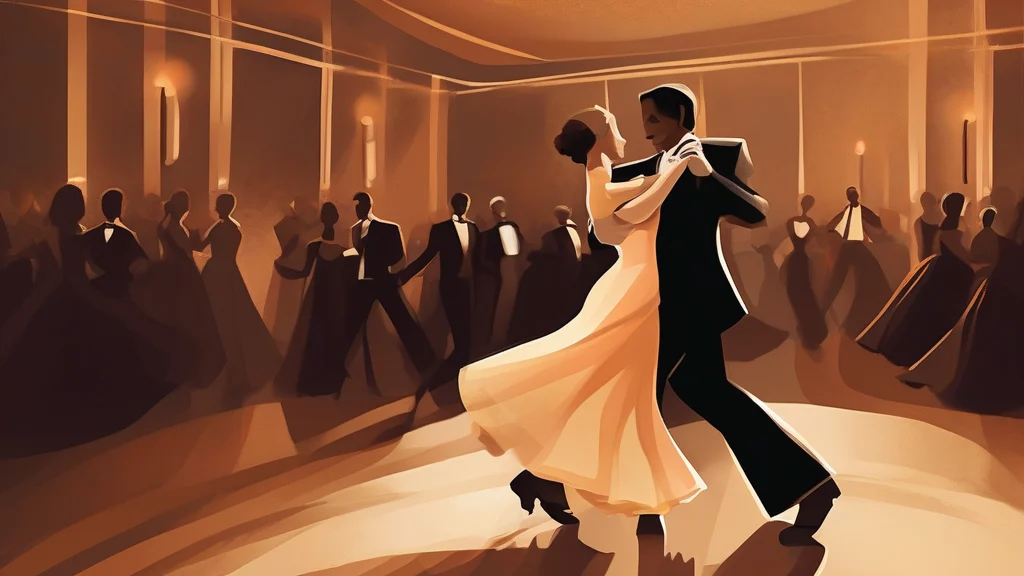
"The dancers waltzing in the center of the ballroom were a sight to behold."
The figurative sense is especially common in the expression “waltzing around” and often carries a humorous or mildly disapproving tone.
Involving dancing in the waltz style or taking part in a waltz.
"A waltzing couple entered the stage to great applause."
This is a participial adjective used attributively, especially in phrases such as “waltzing couple.”
The word waltz comes from German walzen, meaning “to roll or turn,” so even its dancing sense carries the image of turning.
Reviewed by Deb Chak, Editor. AI-assisted content curated by RJS Tech Solutions LLP.
Etymology of waltzing
The word “waltzing” derives from “waltz,” which entered English in the early nineteenth century from the German “Walzer.” “Walzer” was formed from “walzen,” meaning “to roll” or “turn,” reflecting the rotating movement of the dance. The dance developed in German-speaking Europe during the early nineteenth century and spread rapidly through European society. Related words include the German “Walzer” and the French “valse,” while “waltzer” names a person who dances the waltz.
How waltzing is actually used
The literal sense is neutral and commonly describes ballroom or social dancing. The figurative use, especially in the expression “waltzing around,” is informal and can suggest moving about in a carefree, leisurely, or vaguely aimless way.
Easily confused with waltzing
Waltzing means dancing in a waltz rhythm, whereas wallowing means rolling or lying in mud, water, or another substance.