
What does watershed mean?
Watershed is a noun whose figurative meaning—a decisive turning point—is now more common than its geographical meaning. Writers use it for an event, decision, or stage that significantly changes the direction or character of a person, organization, or historical period. The word often suggests a clear break with what came before, although it does not necessarily imply that everything after the change is positive. In its literal sense, a watershed is a ridge or boundary that separates neighboring drainage basins, determining where rainwater flows; the term can also denote the entire area drained by a river or its tributaries. The compound image is memorable: to shed water is to let it flow away, and a watershed is therefore a dividing line for water. Its metaphorical sense has made the word especially useful in journalism, political analysis, history, and business writing, where it identifies moments seen as decisive. Because it conveys major significance, the word is normally applied to genuinely consequential developments rather than routine changes.
nounA decisive turning point that marks a significant change in direction or character. In geography, a ridge or boundary separating drainage basins, or the area draining into a particular river or body of water.
- A decisive turning point or important change in the course of events.
- A ridge, line, or elevated area that separates neighboring drainage basins.
- An area of land whose rainfall drains into a particular river, lake, or other body of water.
"The peace agreement was a watershed in the country's political history."
"The appointment of a new chief executive marked a watershed for the organization."
"A watershed forms where precipitation falling on opposite sides of a ridge drains toward different rivers."
The regular plural is used when referring to multiple turning points, significant changes, or geographical divisions.
"The negotiations produced several watersheds in the organization's development."
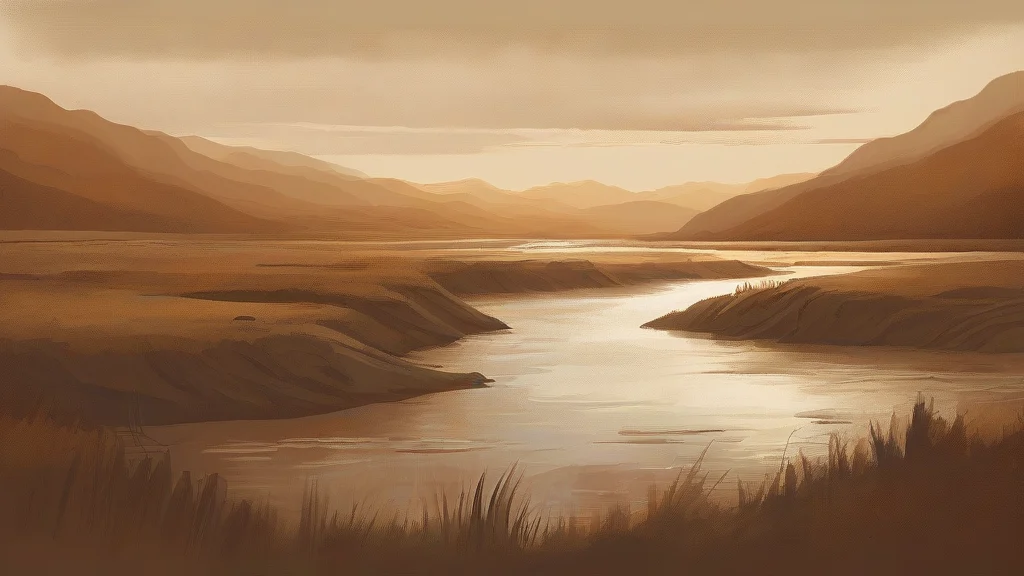
A watershed began as a line in the landscape: rain falling on opposite sides eventually travels downhill in different directions.
Reviewed by Deb Chak, Editor. AI-assisted content curated by RJS Tech Solutions LLP.
Where does watershed come from?
The word was formed in English in the 19th century from water and shed, with shed used in the sense of flowing apart or dividing. Its geographical meaning derives from the idea of raised land that marks or causes the separation of drainage. The figurative meaning follows the same image metaphorically, identifying a point at which the course of events changes direction.
How watershed is actually used
The figurative sense is standard in journalism and in formal discussion of politics, history, business, and culture. It carries a strong connotation of lasting significance, so it is generally reserved for consequential changes rather than minor developments.