
What does wilded mean?
Wilded is the past tense and past participle of wild when it is used to mean making something untamed or allowing it to live freely outside human control. It can also describe a resulting condition: land or vegetation that has become overgrown, animals that have reverted to wild behaviour, or a place reclaimed by nature. The word appears as both a verb and an adjective, but it is less common than wild or wilding. Its tone depends on context. Deliberately wilding an animal or area can suggest freedom, natural instinct, and restoration, while a wilded garden, settlement, or system may imply neglect, disorder, or the collapse of control. Wilded is therefore useful when a speaker wants to emphasize a transition into a wild state rather than simply describe something as wild.
To make something wild or untamed, allow it to live freely outside human control, or cause it to revert to a wild state.
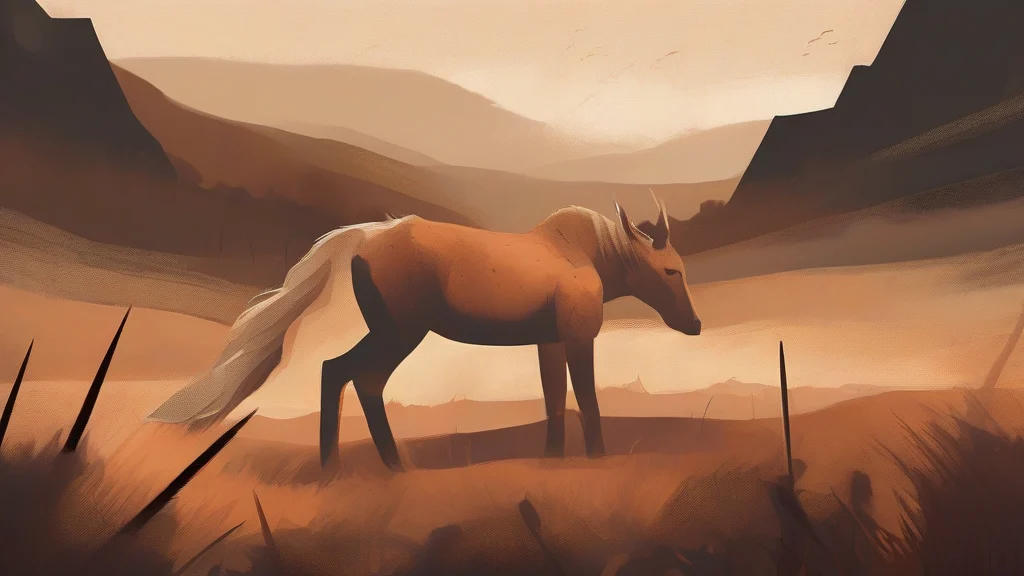
"The conservation programme wilded the horses on the moor, allowing them to resume their natural behaviour."
The verb can be transitive, meaning to make something wild, or intransitive, meaning to become wild or grow wild.
Having become wild, untamed, overgrown, or no longer subject to normal human control.
"Visitors followed a narrow path through the wilded grounds of the ruined estate."
This use is relatively uncommon and often has a literary or informal quality.
Wilded captures the moment when control gives way: it can describe both the deliberate release of something untamed and nature's less predictable return.
Reviewed by Deb Chak, Editor. AI-assisted content curated by RJS Tech Solutions LLP.
Etymology of wilded
Wilded was formed by adding the regular English past-tense and past-participle suffix -ed to wild. Wild descends from Old English wilde and was carried into Middle English in forms such as wilde; related Germanic cognates include Dutch wild and German wild. The later form wilding developed alongside the verb, and wilded became especially associated with the process of letting animals live freely or allowing land and vegetation to revert to a natural state.
Related word forms
How wilded is actually used
Wilded is relatively uncommon compared with wild and wilding. Its adjectival use often sounds literary or informal and may suggest either deliberate liberation from control or an undesirable loss of order.
Easily confused with wilded
Wild describes a quality or condition, whereas wilded emphasizes a completed transition: something has been made wild or has reverted to a wild state.