
What does wrecking mean?
Wrecking is the present-participle and gerund of wreck, meaning to destroy, damage, or ruin something severely. It is used both literally, as when a storm wrecks buildings or someone wrecks a vehicle, and figuratively, as when an event wrecks plans, prospects, or a reputation. The verb carries an emphatic tone: it suggests not ordinary wear or minor damage but a seriously ruined or broken condition. Because it comes from the same form as the verb, “wrecking” normally names an ongoing action; in established compounds such as “wrecking ball,” “wrecking crew,” and “wrecking bar,” it also functions attributively to indicate an instrument, person, or operation associated with destruction. The word is used in both British and American English and is neutral in register, though figurative uses may sound dramatic when a speaker wants to emphasize the scale of the damage. It is especially useful where the outcome is not merely inconvenient but decisive: wrecked plans are abandoned, wrecked prospects are severely damaged, and a badly wrecked object may be unusable. Related forms include “wreck,” “wrecker,” and “wreckage.”
As the present participle or gerund of wreck, to destroy, damage, or ruin something severely.
"The storm has been wrecking the coastal buildings for hours."
It commonly appears with an auxiliary in continuous constructions and with a noun as a gerund, as in “the wrecking of the old stadium.”
Denoting an instrument, person, operation, or compound associated with wrecking or destruction.
"The demolition crew brought a wrecking ball into the courtyard."
Usually attributive and used chiefly in established compounds such as “wrecking ball,” “wrecking crew,” and “wrecking bar.”
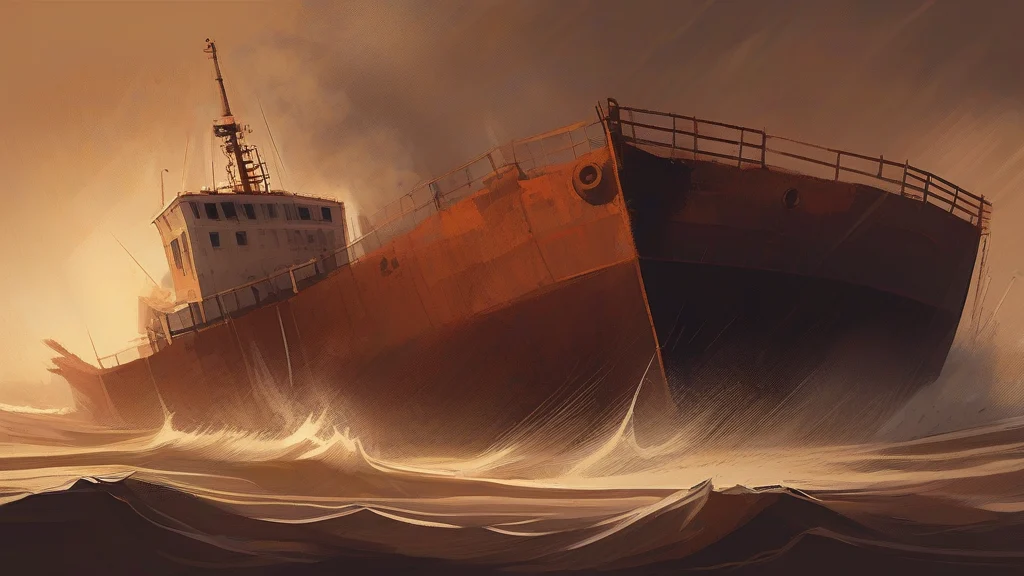
The word carries a double maritime legacy: its English ancestry includes Old English ideas of vengeance, while its familiar sense of ruined ships was shaped by Old Norse.
Reviewed by Deb Chak, Editor. AI-assisted content curated by RJS Tech Solutions LLP.
Where does wrecking come from?
The modern English word wreck developed from Old English wrec, originally meaning “punishment” or “vengeance,” and was strongly influenced in its ship-related sense by Old Norse rek, “wreck,” from rekja, “to drive.” English later formed wrecking as a verbal -ing form denoting the activity of causing destruction or ruin. Its attributive use developed in compounds associated with destructive work, such as “wrecking crew.”
How wrecking is actually used
Neutral in register but forceful and often dramatic. It suggests serious or total damage rather than minor harm; in figurative use, it commonly describes the severe disruption of plans, chances, reputation, or relationships.
Easily confused with wrecking
Wrecking means destroying or ruining something, whereas wrenching means twisting, pulling, or straining something with force.