
What does yeomanry mean?
Yeomanry denotes a collective body of yeomen and, in historical writing, the social class of small landowning farmers and other commoners who occupied a position between the gentry and landless laborers. In medieval and early modern England, this class supplied both the rural economy and much of the military manpower, which is why the word often carries a sense of sturdy independence and local obligation. The term also described organized bodies of yeomen, including mounted or other military formations organized for national defense. Today it is most often encountered in historical, political, and genealogical discussion, especially in accounts of English social structure and volunteer mounted units called yeomanry. In ordinary speech, “yeomanry” is unusual and somewhat elevated. A speaker discussing an individual member of the class would normally use “yeoman”; “yeomanry” emphasizes the group or class as a whole. The word can therefore be more than a literary synonym for “peasants”: it specifically evokes people regarded as substantial freeholders, though historical usage was not perfectly uniform.
nounThe collective body or social class of yeomen, especially the substantial commoners who owned or rented land in historical England. It can also refer to a military body organized from yeomen, including British mounted volunteer units.
- The historical class of yeomen: substantial commoners in England who owned or rented land and generally stood between the gentry and landless laborers.
- A collective body of yeomen or similar rural commoners.
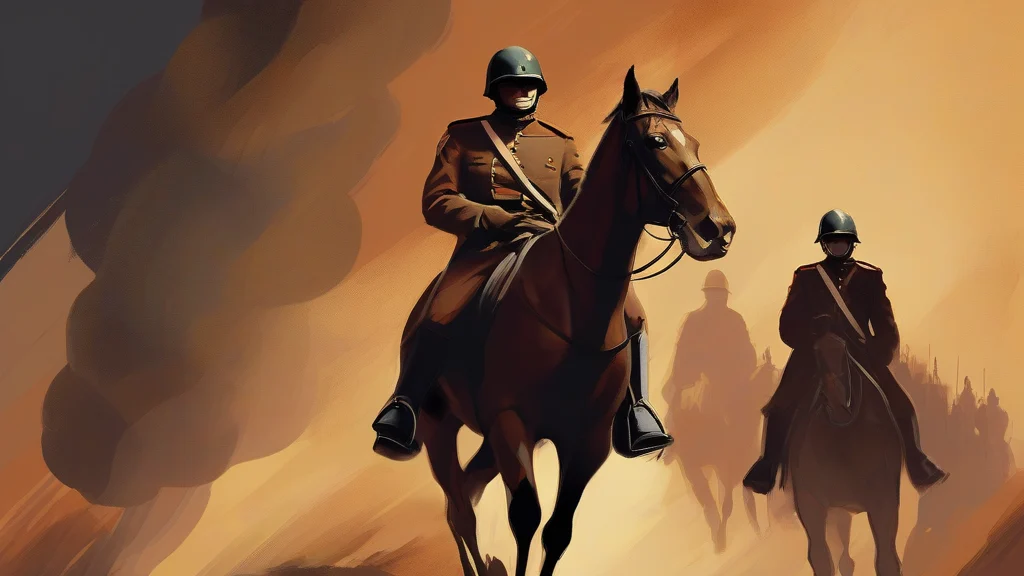
- A military or paramilitary body organized from yeomen, historically including mounted volunteer units in Britain.
"In the sixteenth century, the English yeomanry formed a vital part of the country's army."
"The yeomanry played an important role in the English Civil War."
"A county yeomanry provided mounted volunteers for national defense."
"Local historians are studying the changing fortunes of the rural yeomanry."
The plural is uncommon because the word normally denotes a class or body collectively. It is especially appropriate when referring to distinct regional or organizational yeomanry forces.
"Several regional yeomanries provided mounted troops during the nineteenth century."
Yeomanry was once a social class, a body of farmers, and even a branch of the cavalry—one word for England's sturdy rural middle.
Reviewed by Deb Chak, Editor. AI-assisted content curated by RJS Tech Solutions LLP.
Where does yeomanry come from?
The modern collective noun was formed from yeoman and the suffix -ry, which helps express a body or class of people. Yeoman developed from Middle English yeman, generally traced to Old English ġe man, meaning a man of common rank. Its military sense developed from the historical role of yeomen as landholding commoners who served in armed forces.
How yeomanry is actually used
Chiefly historical and somewhat literary. In British historical writing, “Yeomanry” may be capitalized when referring to a particular mounted volunteer force or regiment; lowercase “yeomanry” usually denotes the historical social class or a collective body of yeomen.
Easily confused with yeomanry
A yeoman is an individual member of the historical social class, whereas yeomanry denotes the class or body as a whole.