
What does hinterland mean?
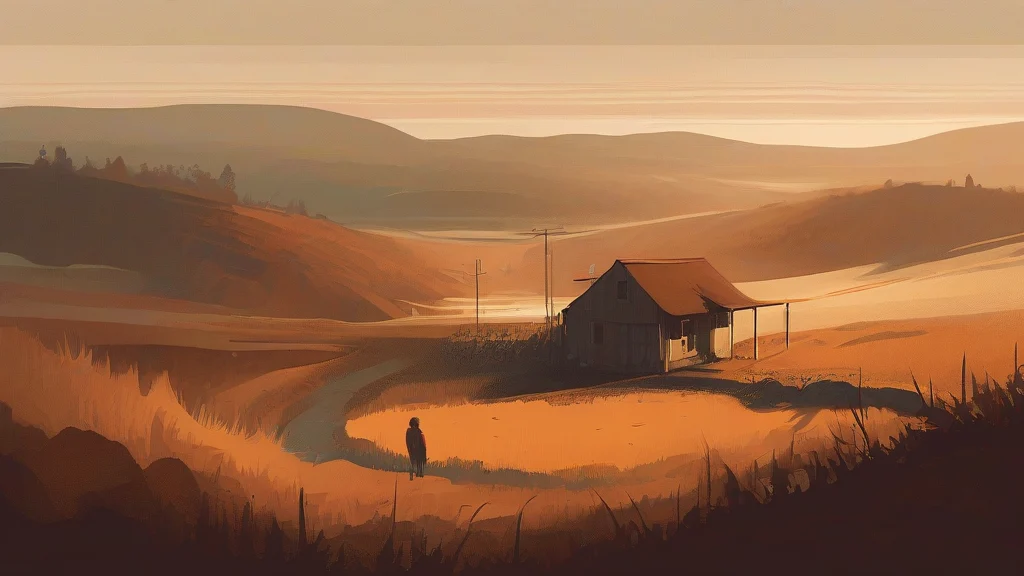
A hinterland is the land or territory lying behind a coast, frontier, or developed area. The term is often used to describe regions that are less densely populated, less accessible, or less economically prominent than the cities or settled districts nearest the coast. It can also be used figuratively for areas of knowledge or activity that lie beyond the most familiar or influential part of a subject. For example, a scholar might describe the historical and cultural hinterland of a political movement. In contemporary usage, “hinterland” often carries a slightly literary or formal tone and can suggest either geographical remoteness or a domain that is comparatively neglected. The word is especially useful when the contrast between a visible center and a less visible surrounding area needs to be expressed clearly.
nounThe land or region lying behind a coastal area, frontier, or settled district. In figurative use, it refers to an unfamiliar or less-developed area of knowledge, activity, or influence.
- Land lying behind or beyond a coastal, frontier, or settled region.
- A less familiar, less-developed, or less prominent area of knowledge, influence, activity, or development.
"The expedition gradually made its way into the hinterland, where the roads became increasingly difficult to travel."
"Many small communities in the hinterland depend on the coastal city for employment and services."
"The guide's broad knowledge of the subject made it easy to explore the historical hinterland of the debate."
Usually plural when referring to the surrounding regions of a city, state, or other territory.
"The company operates in several remote hinterlands where reliable transport is limited."
The word literally means “land behind”: it comes from German, and its original sense describes the territory lying beyond a coast or frontier.
Reviewed by Deb Chak, Editor. AI-assisted content curated by RJS Tech Solutions LLP.
Where does hinterland come from?
The word comes from German Hinterland, literally “land behind,” formed from hinter, “behind,” and Land, “land.” It entered English in the 19th century, initially in geographical contexts referring to the territory beyond a frontier or coastal settlement. Its figurative use developed later, especially in political and economic writing, for regions of influence, knowledge, or development that are less prominent than a central area.
Related word forms
How hinterland is actually used
The geographical sense is established in British and American English. The figurative use is common in formal writing, especially in discussions of economics, politics, education, and knowledge.