
What does pig mean?
A pig is a domestic mammal of the swine family, raised principally for pork. In everyday use, the word refers to the animal, its meat, and familiar compounds such as 'guinea pig', 'pig farm', and 'pig iron'. It can also describe a person considered greedy, dirty, or otherwise contemptible, although this use is derogatory. As an informal verb, 'to pig' can mean to eat greedily or, in a separate sense, to inform on someone to the police. These figurative meanings develop from associations with pigs' eating habits and their perceived unclean qualities, while the criminal sense is comparatively modern slang. The word combines a direct historical connection with one of humanity's oldest domesticated animals with several vivid figurative uses, making it unusually versatile in both ordinary and colloquial language.
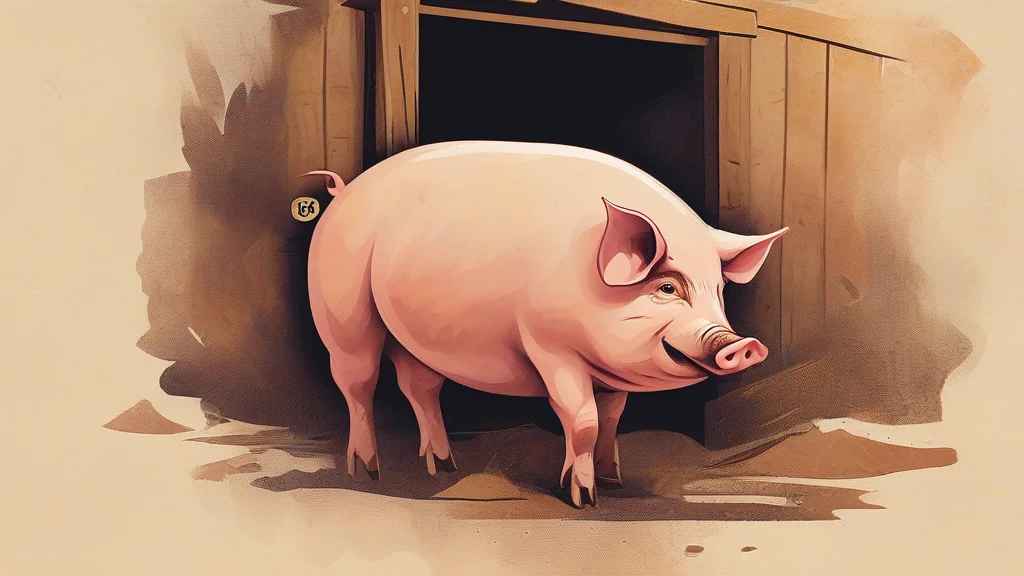
A domesticated swine, especially one raised for meat; by extension, pork. The word can also denote a guinea pig, a greedy or contemptible person, or a police informant.
"The village had raised pigs and grown barley for centuries."
To eat greedily, to inform on someone to the police, or to copulate as pigs do.
"The suspect refused to pig and insisted on an attorney."
The standard plural is 'pigs'; it is used for both the animals and the people represented by the derogatory noun sense.
"Several pigs wandered into the garden and began rooting up the flowers."
Despite their name, guinea pigs are rodents—not pigs.
Reviewed by Deb Chak, Editor. AI-assisted content curated by RJS Tech Solutions LLP.
Etymology of pig
The English noun descends from Old English pigc, with the form pigge appearing in Middle English. It is generally traced to Proto-Germanic *pīg-, a root represented in forms such as Old Norse piggr and Middle Dutch pig, although its ultimate Indo-European derivation is uncertain. Later meanings extended metaphorically from the animal's eating habits and physical associations, while the sense meaning 'police informant' is modern slang.
Related word forms
How pig is actually used
The ordinary animal and food senses are neutral, while the senses describing a greedy or contemptible person and a police informant are derogatory or slangy. The eating and informing senses of the verb are informal; the copulative sense is coarse and most often used of animals. The compound 'guinea pig' names a rodent rather than a true pig.
Easily confused with pig
A hog usually denotes an adult or market pig, while pig can refer to a swine of any age, including a piglet.