
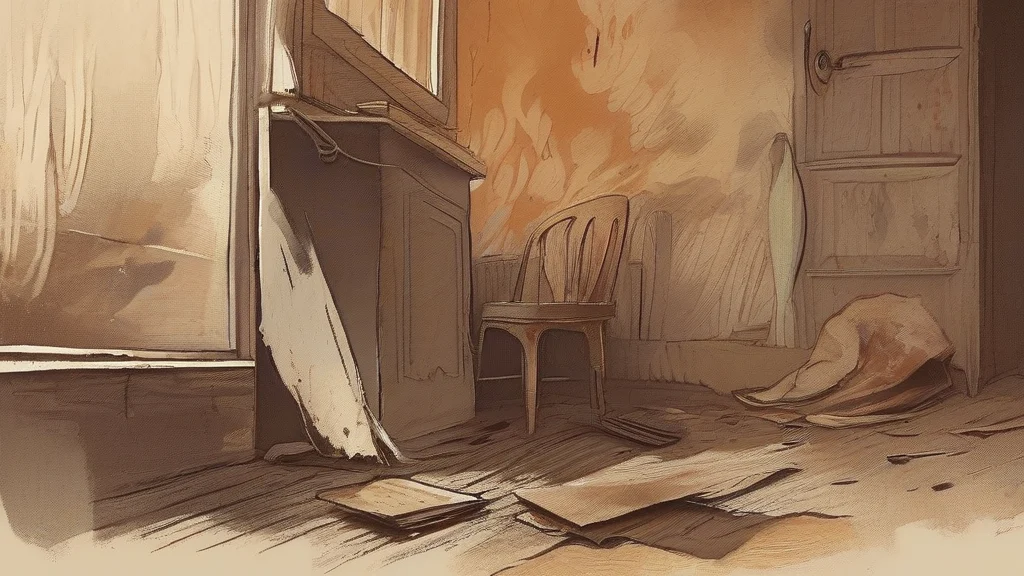
What does tattier mean?
Tattier is the comparative form of the informal adjective “tatty.” It means that something is more shabby, ragged, neglected, or in poor condition than it otherwise would be. The word can also indicate that something is of lower quality or has deteriorated, as when a much-used coat is described as looking “tattier.” Its main associations are with clothing, furniture, buildings, and other objects whose condition is plainly poor, although figurative uses can express a broader sense of cheapness or unsoundness. Tattier is chiefly associated with British and Irish English and belongs to informal vocabulary rather than formal or literary registers. Although its tone may be humorous or affectionate when used about a well-known object, it is often mildly disparaging. The comparative ending makes it particularly useful when describing a visible change, whether through wear, neglect, or declining quality.
adjectiveShabby, ragged, or in poor condition; also of low quality or unsound. It is the comparative form of “tatty.”
- Shabby, ragged, or in poor condition.
- Of low quality or in poor repair.
- Untidy, neglected, or unkempt.
"The old coat looked even tattier after the journey through the rain."
"His jacket became tattier after several years of regular use."
"The hotel advertised a renovated room, but it still looked considerably tattier than the photographs."
Tattier is essentially “more tatty”: a quick way to say that something has fallen into shabby, low-quality disrepair.
Reviewed by Deb Chak, Editor. AI-assisted content curated by RJS Tech Solutions LLP.
Etymology of tattier
Tattier is the comparative form of “tatty,” an informal adjective chiefly associated with British and Irish English. The deeper origin of “tatty” is uncertain, though it is commonly linked to the older word family represented by “tatter” and “tattered,” referring to torn or ragged material. Its basic sense developed from appearance in poor condition to broader judgments about shabbiness or low quality.
Related word forms
How tattier is actually used
Informal and usually mildly dismissive or critical. It is especially associated with clothing, furniture, buildings, and other visibly worn objects, though it can also characterize something regarded as cheap or poorly made.
Easily confused with tattier
“Tatty” is the base adjective, while “tattier” is its comparative form and therefore means more shabby, neglected, or of lower quality.
“Tattier” describes something generally shabby or in poor condition, whereas “tattered” specifically emphasizes that it is torn, frayed, or ragged.