
What does wagonette mean?
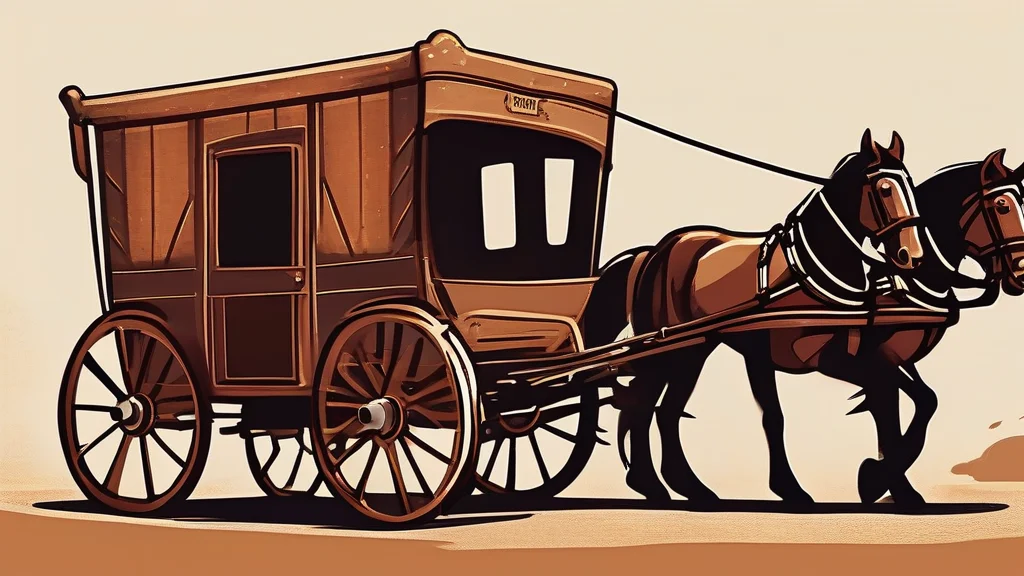
A wagonette is a small, light horse-drawn carriage, usually with four wheels and seating for passengers. In ordinary modern English, the word is chiefly historical or literary, evoking coaches, estates, and pre-automobile travel, although it can also serve as a general name for a small wagon. A typical example would describe a family or group of visitors riding in one across parkland or to a country house. The term is useful because it identifies a particular light passenger carriage rather than a freight wagon, an omnibus, or a larger coach. Its diminutive ending gives it a compact, somewhat genteel character, and its survival in older writing and heritage settings gives it a nostalgic tone. In broader discussion, wagonette most often appears in descriptions of nineteenth- and early twentieth-century travel, private estate vehicles, and occasional carriage displays.
nounA wagonette is a small, light horse-drawn carriage, typically with four wheels and seating for passengers. The term is now chiefly historical or literary.
- A small, light horse-drawn carriage, typically with four wheels and seating for passengers.
"The guests climbed into the horse-drawn wagonette for a leisurely tour of the grounds."
"A vintage wagonette carried visitors from the station to the country house."
"The novel describes a genteel family taking a wagonette ride through the park."
The plural is regular and takes the ending -s.
"Two restored wagonettes stood outside the historic hotel."
Before cars crowded the road, the wagonette was a compact, horse-drawn way to carry passengers.
Reviewed by Deb Chak, Editor. AI-assisted content curated by RJS Tech Solutions LLP.
Where does wagonette come from?
Wagonette was formed in 19th-century English from the noun wagon and the French-derived diminutive suffix -ette. Its base, wagon, is Germanic and cognate with Dutch wagen and German Wagen, while the diminutive ending reflects the strong French influence on English vocabulary during the period. The resulting word originally denoted a smaller, lighter passenger carriage.
How wagonette is actually used
Chiefly historical and literary in modern English, wagonette often conveys a nostalgic or period setting. Its use for an ordinary contemporary vehicle would generally sound unusual.
Easily confused with wagonette
A wagon is a broad term for a wheeled vehicle, including freight-hauling carts, whereas a wagonette specifically denotes a small, usually passenger-carrying carriage.