
What does witchery mean?
Witchery is a literary noun meaning witchcraft, particularly magic or supernatural power associated with witches. In modern English, it is also used figuratively for an irresistible charm or fascination, as in “the witchery of her voice” or “the witchery of the mountains.” The word often carries a dramatic, old-fashioned atmosphere and may evoke stories of spells, sorcery, and supernatural influence rather than the neutral, technical language used for studying such beliefs. It is closely related to witchcraft, but witchery can sound more evocative and poetic, especially when describing a person or performance that captivates its audience. Although usually treated as an uncountable noun, a rare plural form, “witcheries,” is also recorded. The word is useful when the aim is to suggest mystery, enchantment, or a powerful emotional appeal.
Witchcraft or supernatural magic, especially as associated with witches.
"The villagers suspected that the strange illness was the work of witchery."
This sense is the traditional and literal use of the word; it often has an old-fashioned or literary tone.
A compelling charm, fascination, or power of attraction.
"The audience was drawn by the sheer witchery of her performance."
This figurative sense is especially natural in the pattern “the witchery of” followed by a person, thing, place, or quality.
Usually uncountable; the plural is rare and may be used when referring to different acts or instances of witchcraft.
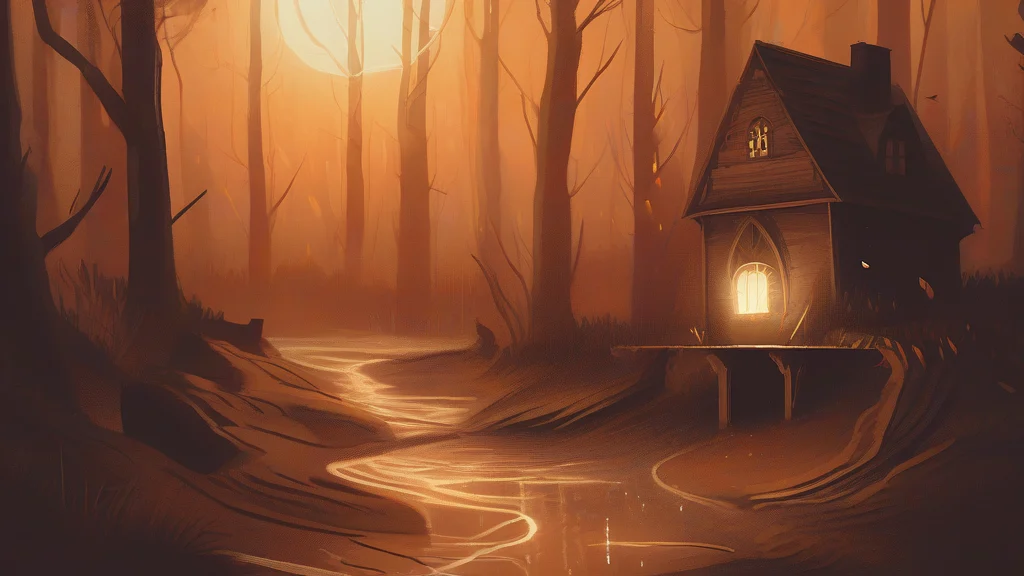
"The stories are filled with dark forests, old rituals, and forgotten witcheries."
From the Old English word for a woman believed to possess supernatural powers, “witchery” came to name both feared magic and the irresistible charm of a compelling performance.
Reviewed by Deb Chak, Editor. AI-assisted content curated by RJS Tech Solutions LLP.
Where does witchery come from?
Witchery developed in Middle English from “witch” together with the suffix “-ery,” a formation also reflected in “witchcraft.” “Witch” comes from Old English “wicce,” a word associated with women believed to possess supernatural or magical powers. Related words such as “wizard” and “wizardry” belong to the same wider Germanic vocabulary of magic and sorcery.
How witchery is actually used
The word is relatively uncommon in everyday contemporary English and often has a dramatic, literary, or deliberately archaic tone. Its figurative sense is especially common in expressions such as “the witchery of” a person, place, or performance.
Easily confused with witchery
Witchcraft refers more directly to magical practices or the use of supernatural powers, while witchery can also have a broader, often figurative sense involving enchantment or fascination.