What does carabineer mean?
A carabineer is primarily a historical term for a soldier equipped with a carbine — the short, handy firearm favored by mounted troops and light infantry from the seventeenth century onward. Regiments styled as carabineers served in several European armies, including those of France, Piedmont, and Spain, where they combined the mobility of cavalry with the firepower of riflemen. In contemporary English the closely related spelling "carbineer" is usually preferred, leaving "carabineer" largely confined to military history. Complicating matters, "carabineer" also appears — especially in British writing — as a variant spelling of "carabiner," the spring-gated metal clip essential to modern climbing and rope rescue. The two senses share a common root in the word "carbine," whose own ultimate origin is obscure. Today the term reads as either quaintly historical or slightly nonstandard, depending on which sense the writer intends, so careful writers choose their spelling deliberately.
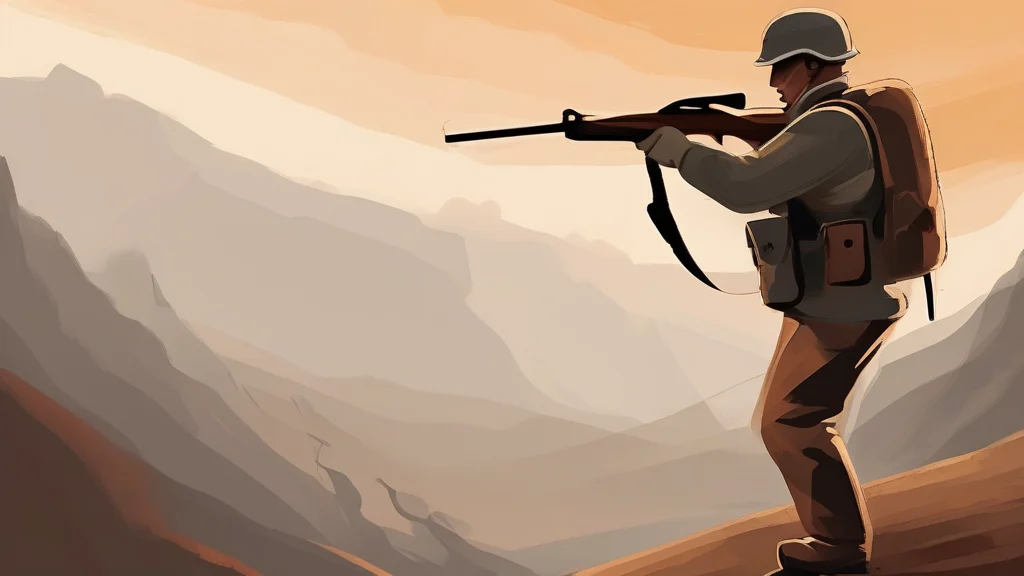
A soldier armed with a carbine, especially one serving in a light cavalry or mounted infantry unit.
"A squad of carabineers escorted the dispatch rider through enemy territory."
Historical register; "carbineer" is the preferred modern spelling for this sense.
Variant spelling of carabiner: a metal link with a spring-loaded gate used to connect ropes and equipment in climbing.
"He threaded the rope through the carabineer before tying in."
Chiefly British spelling; American usage standardizes on "carabiner."
Regular plural; used when referring to multiple soldiers of this type or, less commonly, multiple climbing clips under this variant spelling.
"Two hundred carabineers formed up on the ridge at dawn."
The same little word can point to a Napoleonic cavalryman or to the metal clip keeping a rock climber alive — spelling history at its strangest.
Reviewed by Deb Chak, Editor. AI-assisted content curated by RJS Tech Solutions LLP.
Etymology of carabineer
The word derives from "carbine," via the French "carabine," the short musket adopted by light cavalry in the late sixteenth and early seventeenth centuries. The ultimate origin of "carabine" itself is uncertain, though it may relate to an Old French term for a kind of weapon or to words meaning "shrike" applied mockingly to soldiers. From the weapon came the name of both the soldier who carried it and, much later through variant spelling, the climbing clip that echoes the same root.
How carabineer is actually used
In modern military usage the spelling "carbineer" is generally preferred; "carabineer" now survives mainly in historical texts about early modern European regiments. As a variant spelling for climbing hardware, it is encountered chiefly in British sources, where American usage overwhelmingly favors "carabiner." The word carries a distinctly historical or technical flavor rather than everyday register.
Easily confused with carabineer
A carabiner is the metal snap-link clip used in climbing and rigging, while carabineer most often denotes a soldier armed with a carbine — though "carabineer" appears as a variant spelling for the climbing hardware.
"Carbineer" is the more standard spelling for a soldier armed with a carbine, whereas "carabineer" is the less common variant.